If you’ve noticed shifting trail conditions, unpredictable weather, or changing wildlife patterns on your hikes, you’re not imagining it. The climate change hiking impact is reshaping how, when, and where we explore the outdoors. From washed-out trails and extended wildfire seasons to disappearing alpine ecosystems, today’s hikers face new challenges that demand better preparation and awareness.
This article breaks down exactly how climate change is affecting hiking experiences, what it means for trail safety and route planning, and how you can adapt your gear and strategies to stay safe in evolving conditions. Whether you’re a weekend trekker or a backcountry enthusiast, understanding these changes is now essential for responsible exploration.
Our insights are grounded in field-tested outdoor strategies, current environmental data, and firsthand wilderness observations—so you’re not just getting theory, but practical guidance you can apply on your next adventure.
The Shifting Paths Under Our Feet
As beloved hiking destinations transform under the pressures of climate change, adventurers seeking new landscapes may find that exploring unique environments like desert terrains offers both a challenge and a chance to connect with nature in its evolving state—an experience perfectly captured in our guide, ‘Introduction to Desert Trekking for First-Time Adventurers.’
Trails aren’t just scenic corridors; they’re living systems under stress. Across continents, I’ve watched stable switchbacks crumble after flash floods, alpine snowfields vanish weeks early, and springs marked on maps run dry. This is the overlooked edge of climate change hiking impact: not theory, but boots sinking into mud where granite once held firm.
Some argue trails have always changed (true—erosion is ancient). But today’s pace is different, compressing decades of wear into a single season (NOAA). Critical shifts include:
- Washed-out footbridges from extreme rainfall
- Wildfire-scorched corridors reopening without shade
- Unreliable shoulder seasons
Pro tip: call ranger stations for real-time ground truth, not just forecasts.
Washed Out: How Extreme Weather Is Reshaping Trails
First, the core issue is simple but serious: heavier, more frequent rainstorms are oversaturating soil and accelerating erosion. When the ground can’t absorb additional water, runoff turns trails into drainage channels. Over time, that force carves deep ruts, loosens rocks, and destabilizes entire hillsides. This climate change hiking impact isn’t theoretical—it’s visible under your boots.
So what does that look like on the ground? You’ll notice trenches forming where water funnels downhill, exposed tree roots twisting across the tread (easy to trip on when you’re fatigued), and trail undercutting where the outer edge simply collapses. In steeper terrain, small landslides can erase a section entirely. One week you have a clear switchback; the next, it looks like a scene from an adventure film where the bridge is suddenly gone.
Some argue that trail damage has always existed. True—erosion is natural. However, land managers across the U.S. report increasing maintenance backlogs due to extreme rainfall events (U.S. Forest Service). The scale and frequency are changing.
For hikers, the consequences are immediate: higher slip risk, surprise detours, and abrupt closures that can derail a multi-day trek. Therefore, adjust your strategy.
Visually assess before committing. Look for flowing water, fresh soil slumps, or cracks along trail edges. Step on rocks when possible, and avoid the downhill lip of narrow paths.
Trekking poles are no longer optional. Use them to probe muddy sections and test questionable ground before shifting your weight.
Pro tip: After any major storm, assume instability until proven otherwise. Turning back is better than testing gravity the hard way.
Scorched Earth: The Growing Threat of Wildfires
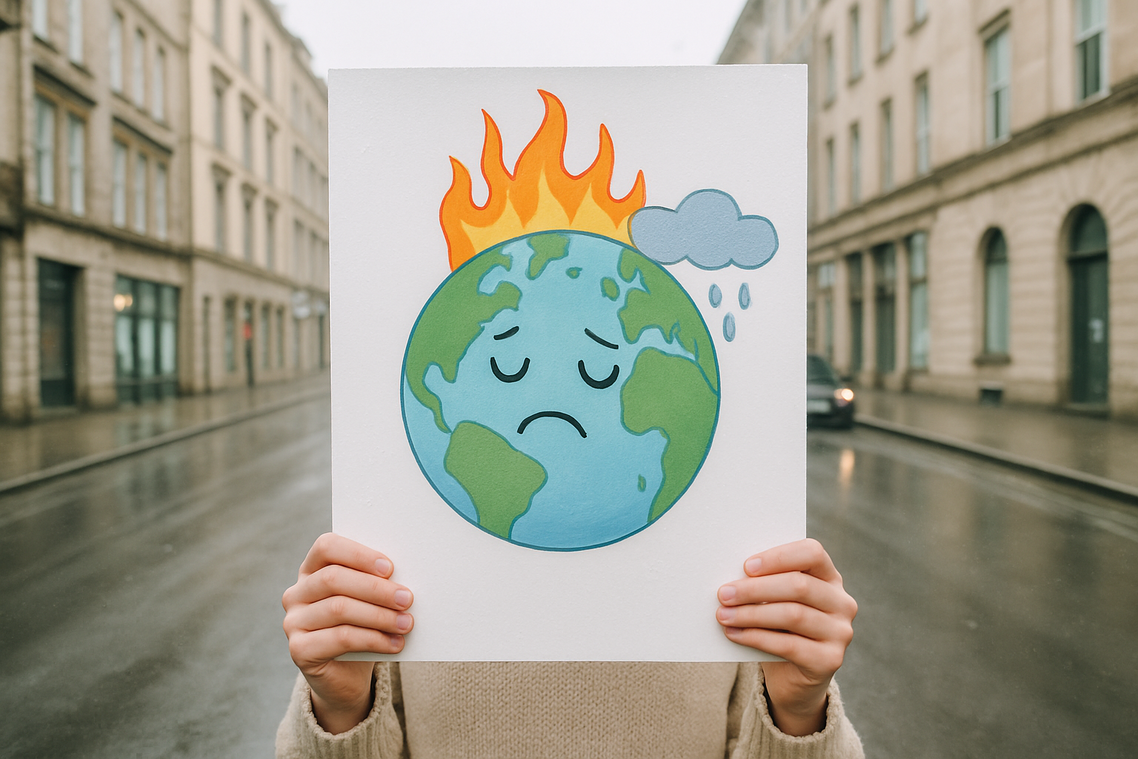
Wildfires aren’t just “bad fire seasons” anymore. Thanks to prolonged droughts and rising average temperatures, forests dry into tinderboxes, extending fire season by months in many regions (National Interagency Fire Center). In other words, what used to be a late-summer risk now stretches from spring through fall. This climate change hiking impact means trails once considered safe in June may now close without warning.
However, the real story begins after the flames die. Without canopy cover—the leafy ceiling that regulates temperature and moisture—soil can become hydrophobic, or water-repellent, preventing regrowth (U.S. Forest Service). Trail markers melt, bridges weaken, and switchbacks vanish under erosion. Competitors often stop at “area closed,” but seasoned trekkers know the landscape itself has fundamentally changed.
Once trails reopen, new hazards emerge. “Widowmakers”—fire-weakened trees prone to sudden collapse—can fall without wind. Meanwhile, burn scars dramatically increase flash flood and mudslide risks because vegetation no longer anchors soil.
Before heading out, always check fire restrictions and the Air Quality Index (AQI). Pro tip: carry a satellite messenger in no-service zones; smoke can ground rescues. For deeper prep, explore emerging technologies revolutionizing backcountry travel. (Yes, your lungs will thank you.)
When the Trail Map Stops Matching the Terrain
Last July, I hiked a route I’d done every summer for a decade. There should have been a roaring creek fed by late-lying snow. Instead, by mid-morning, I was staring at a dry, cracked streambed. That was the moment I realized the calendar wasn’t reliable anymore.
First, consider melting snowpack. Snowpack—the accumulated winter snow that slowly releases water through spring and summer—acts like a natural reservoir. However, with shorter, warmer winters, snow melts weeks earlier. As a result, seasonal streams surge in May and vanish by July. Springs that once felt permanent now sputter out mid-season. (Pro tip: always carry a backup water treatment method, even on “well-watered” routes.)
Then there are intensified summers. Heatwaves stretch longer, pushing temperatures into dangerous territory and raising the risk of heat exhaustion, a condition caused by prolonged exposure to high heat and dehydration. Meanwhile, wildlife adapts. I’ve noticed venomous snakes active earlier in the day and mosquitoes lingering deep into what used to be crisp autumn. In other words, traditional bug-season assumptions no longer apply.
Ecosystems are shifting, too. Invasive species—non-native plants that spread aggressively—are crowding out familiar wildflowers. Bloom times feel out of sync, and I’ve spotted animals at elevations where they rarely appeared before.
All of this reshapes trip planning. Historical guides rely on averages, but averages are drifting. The climate change hiking impact means “off-season” snowstorms or heat spikes can happen anytime. Therefore, hyper-current trail reports matter more than ever. The old seasonal rhythm? It’s becoming a suggestion, not a rule.
Hiking with Awareness in a Changing World
The modern trail demands a new hiker’s mindset. Gone are the days when last year’s map guaranteed this year’s route. Weather patterns shift, water sources dry up, and familiar paths wash out after a single storm. The core challenge isn’t distance or elevation—it’s adapting to unpredictability in a more fragile outdoors (yes, even that “easy” weekend loop).
Erosion, wildfire intensity, and seasonal confusion aren’t isolated problems. They’re interconnected signals of climate change hiking impact reshaping terrain in real time. Earlier snowmelt exposes soil to damage. Drier forests ignite faster. Sudden storms carve gullies where switchbacks once stood. Many guides mention safety, but few connect these patterns as one evolving system hikers must read like a living map.
The path forward is proactive, not reactive:
- Check multiple trail and ranger sources before departure
- Carry extra water beyond standard recommendations
- Build flexible itineraries with backup routes
Some argue overplanning kills adventure. But preparation doesn’t erase spontaneity—it protects it. (Nothing ruins a trek faster than a closed trail sign five miles in.)
Finally, become a steward. Practice Leave No Trace rigorously, report damage, and support volunteer trail crews. The future of hiking depends not just on where we walk—but how responsibly we walk it.
Take Your Next Step on the Trail
You set out to understand the climate change hiking impact, and now you have a clearer picture of how shifting weather patterns, trail erosion, wildfire risks, and ecosystem changes are reshaping the way we explore the wild.
The reality is simple: the trails you love are changing. Ignoring these shifts can lead to unsafe treks, damaged gear, and fragile environments pushed past their limits. But with the right knowledge and preparation, you can adapt, hike smarter, and protect the landscapes that fuel your adventures.
Start putting this into action. Check seasonal forecasts before every trek. Upgrade to climate-resilient gear. Choose routes responsibly. Support conservation efforts tied to the areas you explore.
If you’re tired of outdated advice and want field-tested trekking strategies built for today’s changing wilderness, explore our in-depth guides and survival gear hacks. We’re trusted by outdoor enthusiasts who demand practical, real-world insight—so you can hike prepared, stay safe, and keep exploring with confidence.
Your next adventure deserves smarter preparation. Get equipped, stay informed, and step onto the trail ready for what’s ahead.
 Elvric Xelvaris is the kind of writer who genuinely cannot publish something without checking it twice. Maybe three times. They came to wilderness exploration strategies through years of hands-on work rather than theory, which means the things they writes about — Wilderness Exploration Strategies, Horizon Headlines, Jaroconca Trekking Guides, among other areas — are things they has actually tested, questioned, and revised opinions on more than once.
That shows in the work. Elvric's pieces tend to go a level deeper than most. Not in a way that becomes unreadable, but in a way that makes you realize you'd been missing something important. They has a habit of finding the detail that everybody else glosses over and making it the center of the story — which sounds simple, but takes a rare combination of curiosity and patience to pull off consistently. The writing never feels rushed. It feels like someone who sat with the subject long enough to actually understand it.
Outside of specific topics, what Elvric cares about most is whether the reader walks away with something useful. Not impressed. Not entertained. Useful. That's a harder bar to clear than it sounds, and they clears it more often than not — which is why readers tend to remember Elvric's articles long after they've forgotten the headline.
Elvric Xelvaris is the kind of writer who genuinely cannot publish something without checking it twice. Maybe three times. They came to wilderness exploration strategies through years of hands-on work rather than theory, which means the things they writes about — Wilderness Exploration Strategies, Horizon Headlines, Jaroconca Trekking Guides, among other areas — are things they has actually tested, questioned, and revised opinions on more than once.
That shows in the work. Elvric's pieces tend to go a level deeper than most. Not in a way that becomes unreadable, but in a way that makes you realize you'd been missing something important. They has a habit of finding the detail that everybody else glosses over and making it the center of the story — which sounds simple, but takes a rare combination of curiosity and patience to pull off consistently. The writing never feels rushed. It feels like someone who sat with the subject long enough to actually understand it.
Outside of specific topics, what Elvric cares about most is whether the reader walks away with something useful. Not impressed. Not entertained. Useful. That's a harder bar to clear than it sounds, and they clears it more often than not — which is why readers tend to remember Elvric's articles long after they've forgotten the headline.