Exploring the wilderness today is about more than adventure—it’s about understanding the land, preparing with the right strategies, and respecting the ecosystems that make every journey possible. If you’re searching for practical trekking guides, smart survival gear hacks, or fresh outdoor concepts that go beyond the basics, this article is designed to give you exactly that.
We break down proven wilderness exploration strategies, highlight essential gear insights, and examine how modern explorers can align their adventures with global conservation initiatives. Whether you’re planning a multi-day trek or refining your backcountry skills, you’ll find actionable guidance rooted in field-tested techniques and real-world outdoor experience.
Our goal is simple: help you explore smarter, safer, and more responsibly. By combining practical survival knowledge with a broader understanding of conservation and emerging outdoor trends, this guide equips you with the clarity and confidence to make your next expedition both memorable and sustainable.
Stand in Patagonia’s wind-carved valleys, where glaciers groan and turquoise rivers braid through empty plains. It’s easy to call it untouched, yet its fate hinges on factories and freeways oceans away. That’s the paradox: wilderness without borders.
Over years trekking the Arctic Circle, I’ve watched sea ice thin and bird routes shift. These changes stem from climate change—long-term shifts in temperature patterns—plus pollution and biodiversity loss. No single nation can fix that.
Here’s what global conservation initiatives actually mean:
- Shared science (data pooled across countries).
- Joint protections for migratory species.
- Funding pacts that guard frontiers.
The Global Handshake: Key Pacts Protecting Our Wilds
As explorers venture into breathtaking landscapes like the stunning Havajazon Waterfall, it’s vital they understand the global conservation efforts that are essential for preserving such natural wonders for future generations.
When people hear about international climate treaties, they often assume they’re symbolic—big promises, little action. But the data tells a more grounded story.
The Paris Agreement centers on one measurable objective: limiting global warming to well below 2°C above pre-industrial levels, ideally 1.5°C. Why does that matter to explorers? Because at 1.5°C, scientists project up to 70% of coral reefs could disappear; at 2°C, that figure jumps to over 99% (IPCC, 2018). Alpine glaciers—those frozen highways trekkers cross in the Andes or Himalayas—are also retreating at accelerating rates, threatening freshwater supplies for nearly 2 billion people (UNEP). Limiting warming isn’t abstract policy; it’s about whether future expeditions encounter ice fields—or bare rock.
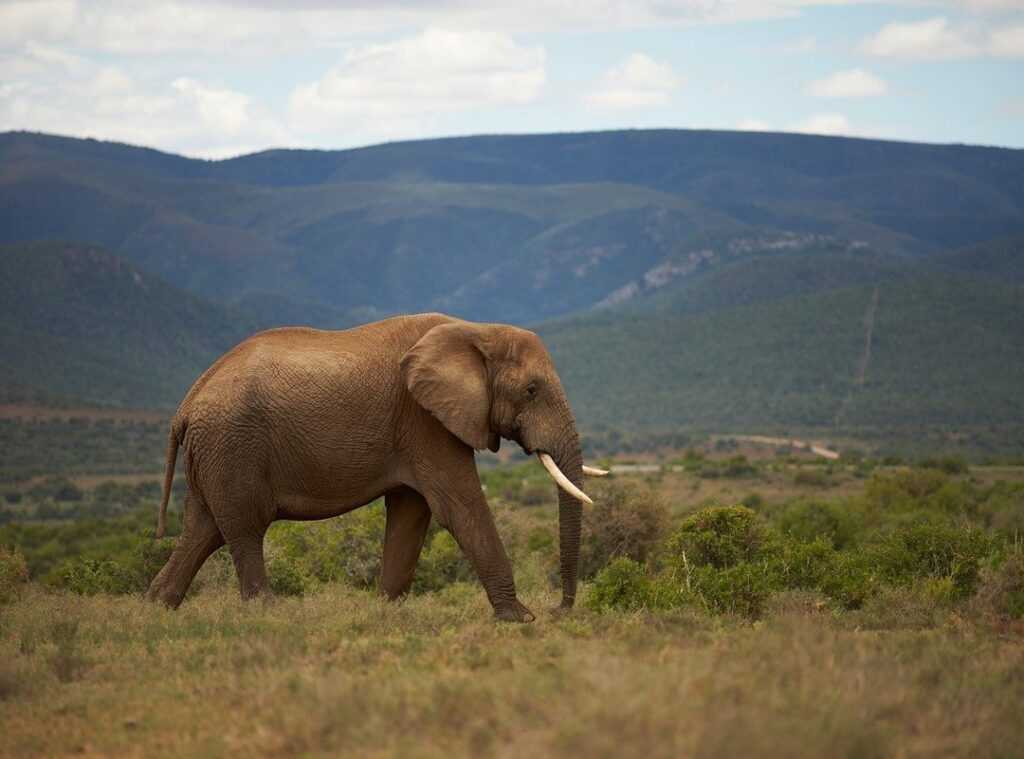
The Convention on Biological Diversity (CBD) functions as a blueprint to safeguard the planet’s genetic library. With roughly 1 million species at risk of extinction (IPBES, 2019), this treaty pushes nations to conserve habitats from the Amazon rainforest to the African savanna. For trekkers hoping to glimpse jaguars or elephants, biodiversity protection isn’t sentimental—it’s structural. Healthy ecosystems regulate climate, pollinate crops, and stabilize soil. Remove key species, and the web frays (nature isn’t a Jenga tower you can rebuild once it collapses).
- Protects habitats through national biodiversity targets
- Promotes sustainable land and wildlife management
- Encourages ecosystem restoration at scale
Then there’s The High Seas Treaty, covering nearly 60% of the ocean beyond national borders. These waters absorb about 30% of human-produced CO2 (IOC-UNESCO). Protecting them establishes marine reserves in what is essentially Earth’s last vast wilderness.
Together, these global conservation initiatives transform diplomacy into survival strategy—anchoring exploration in evidence, not optimism alone.
From Summit to Seafloor: Protecting Critical Biomes
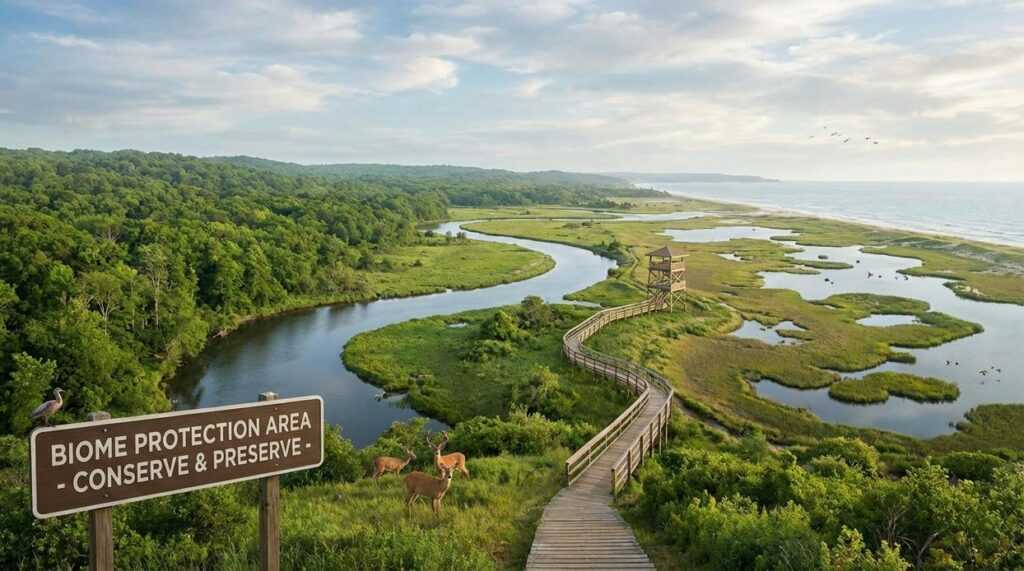
From towering rainforests to polar ice and winding rivers, Earth’s critical biomes function like life-support systems. To clarify, a biome is a large ecological area defined by climate, plants, and wildlife. When one weakens, the ripple effects travel far beyond its borders.
Protecting the World’s Lungs (Rainforests)
Rainforests absorb vast amounts of carbon dioxide, which is why they’re often called the planet’s “lungs.” Programs like REDD+ (Reducing Emissions from Deforestation and Forest Degradation) create financial incentives for countries to keep forests standing. In simple terms, nations receive compensation for lowering deforestation rates.
As a result, local communities in places like the Congo Basin and Borneo gain funding for sustainable livelihoods instead of logging. Critics argue REDD+ can be difficult to monitor or may sideline Indigenous voices. However, when designed with community leadership, it strengthens land rights and preserves iconic trekking routes that draw explorers from around the globe (and yes, those misty jungle trails are worth protecting).
Guarding the Poles (Arctic and Antarctic)
Meanwhile, the Antarctic Treaty and the Arctic Council regulate research, resource use, and environmental protection. Melting ice contributes to rising sea levels and disrupts species uniquely adapted to extreme cold. In other words, polar change doesn’t stay polar.
Key challenges include:
- Habitat loss for ice-dependent wildlife
- Coastal flooding worldwide
- Geopolitical tension over emerging shipping routes
Saving Critical Waterways (Transboundary Rivers)
Finally, rivers like the Mekong and Danube cross national borders. Commissions help countries share data, manage fisheries, and prevent overuse. Without such cooperation, downstream communities—and multi-country kayaking expeditions—would suffer.
These efforts reflect broader global conservation initiatives and align with trends highlighted in adventure travel statistics insights from the latest industry reports, showing that preservation and exploration must move forward together.
The Modern Explorer’s Toolkit for Conservation
Today’s explorer carries more than a compass and a canteen. First, consider satellite monitoring—tools like Global Forest Watch use near-real-time satellite imagery to track deforestation and help enforce anti-deforestation pacts. In other words, anyone with Wi‑Fi can witness forest loss as it happens (it’s like Google Maps, but with stakes). Likewise, GPS trackers fitted to elephants, wolves, and sea turtles generate migration data that shapes wildlife corridors and anti-poaching strategies. This data directly informs global conservation initiatives and on-the-ground policy decisions.
Meanwhile, your gear choices matter more than you think. Many brands now use recycled polyester, organic cotton, and biodegradable treatments in jackets and packs. Choosing durable, repairable equipment over disposable alternatives reduces landfill waste and resource extraction. Think of it as the “buy it for life” philosophy—less fast fashion, more Aragorn trekking across Middle‑earth with the same boots.
Finally, citizen science turns every hike into a mission. Apps like iNaturalist and eBird let you log species sightings, contributing to massive biodiversity databases used by researchers worldwide. So next time you hit the trail, remember: you’re not just exploring—you’re collecting data that protects the wild.
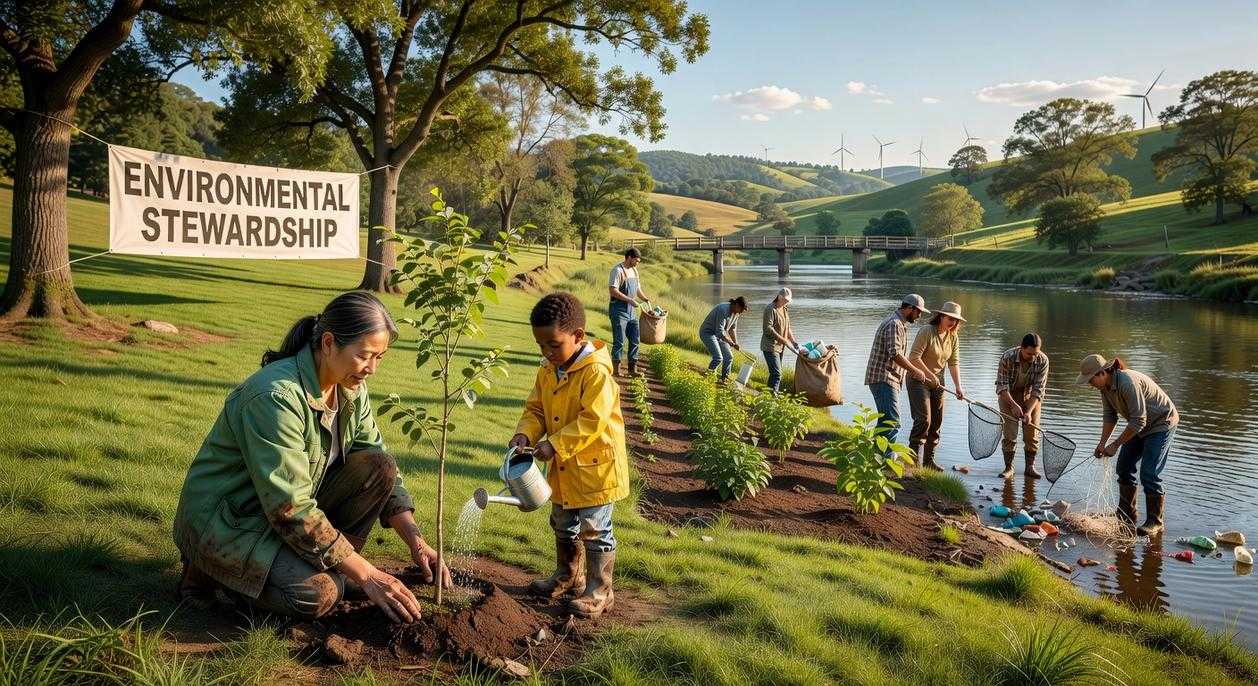
Your footprint on the global trail is bigger than you think. Environmental protection isn’t sealed in distant treaty rooms; it lives in the daily choices of people who love wild places. According to the UN, nearly one million species face extinction risk due to human activity, and tourism alone accounts for about 8% of global carbon emissions (UNEP). The pristine ridgelines and coral reefs you dream of exploring are not guaranteed.
The good news? Recovery is possible. Costa Rica’s reforestation policies doubled forest cover since the 1980s, proving coordinated policy and citizen buy‑in work. That’s the power of global conservation initiatives paired with personal responsibility.
Here’s where you step in:
- Support Conscious Organizations backing science‑based habitat protection; WWF reports protected areas significantly reduce deforestation rates.
- Travel Responsibly by following Leave No Trace principles; studies show visitor education lowers trail degradation.
- Advocate and Educate friends; peer influence strongly shapes sustainable behavior, according to behavioral science research.
Small actions, multiplied, reshape landscapes. The trail ahead depends on whether we treat Earth as disposable scenery or shared inheritance. Choose wisely, then lace up and lead by example. Future generations are counting on what you do today. Every step truly matters.
Keep Exploring, Protecting, and Preparing for the Wild
You set out to better understand outdoor concepts, smarter trekking strategies, and the gear hacks that make wilderness exploration safer and more rewarding. Now you have practical insights you can apply on your very next adventure.
The truth is, the wild is unpredictable. Poor preparation, the wrong gear, or outdated survival knowledge can quickly turn an exciting trek into a stressful situation. But with the right strategies, tested techniques, and a deeper awareness of global conservation initiatives, you don’t just explore nature—you respect and protect it.
Now it’s time to act. Apply what you’ve learned. Upgrade your essential gear. Refine your route planning. Practice your survival skills before your next expedition. Most importantly, stay informed so every journey you take is safer, smarter, and more sustainable.
If you’re serious about mastering wilderness exploration and avoiding costly mistakes, start implementing these strategies today. The right knowledge can be the difference between struggling outdoors and thriving in it. Your next adventure deserves nothing less.
 Elvric Xelvaris is the kind of writer who genuinely cannot publish something without checking it twice. Maybe three times. They came to wilderness exploration strategies through years of hands-on work rather than theory, which means the things they writes about — Wilderness Exploration Strategies, Horizon Headlines, Jaroconca Trekking Guides, among other areas — are things they has actually tested, questioned, and revised opinions on more than once.
That shows in the work. Elvric's pieces tend to go a level deeper than most. Not in a way that becomes unreadable, but in a way that makes you realize you'd been missing something important. They has a habit of finding the detail that everybody else glosses over and making it the center of the story — which sounds simple, but takes a rare combination of curiosity and patience to pull off consistently. The writing never feels rushed. It feels like someone who sat with the subject long enough to actually understand it.
Outside of specific topics, what Elvric cares about most is whether the reader walks away with something useful. Not impressed. Not entertained. Useful. That's a harder bar to clear than it sounds, and they clears it more often than not — which is why readers tend to remember Elvric's articles long after they've forgotten the headline.
Elvric Xelvaris is the kind of writer who genuinely cannot publish something without checking it twice. Maybe three times. They came to wilderness exploration strategies through years of hands-on work rather than theory, which means the things they writes about — Wilderness Exploration Strategies, Horizon Headlines, Jaroconca Trekking Guides, among other areas — are things they has actually tested, questioned, and revised opinions on more than once.
That shows in the work. Elvric's pieces tend to go a level deeper than most. Not in a way that becomes unreadable, but in a way that makes you realize you'd been missing something important. They has a habit of finding the detail that everybody else glosses over and making it the center of the story — which sounds simple, but takes a rare combination of curiosity and patience to pull off consistently. The writing never feels rushed. It feels like someone who sat with the subject long enough to actually understand it.
Outside of specific topics, what Elvric cares about most is whether the reader walks away with something useful. Not impressed. Not entertained. Useful. That's a harder bar to clear than it sounds, and they clears it more often than not — which is why readers tend to remember Elvric's articles long after they've forgotten the headline.