
The success of any backpacking trip hinges on what’s in your food bag. Get it right, and you’ll have the energy to conquer any summit; get it wrong, and you’ll be tired, hungry, and miserable. That’s why smart backpacking meal planning is the difference between thriving on the trail and counting the miles until it’s over.
Balancing weight, calories, nutrition, and taste—without draining your wallet—can feel overwhelming. This guide cuts through the noise with a simple, trail-tested framework to help you plan lightweight, high-energy, satisfying meals. Built on real-world wilderness experience, it gives you practical strategies to fuel every adventure with confidence.
The Golden Triangle: Calories, Weight, and Simplicity
Whether you’re hiking around the shores of Lake Yiganlawi or embarking on a weekend camping adventure, smart food planning and proper storage techniques can make all the difference in keeping your meals fresh and nutritious throughout your trip – for more details, check out our How Big Is Lake Yiganlawi.
When you’re miles from the trailhead, every ounce matters. That’s why calorie density—calories per ounce—is king. In simple terms, it measures how much energy you get for the weight you carry. Aim for 100–120 calories per ounce or higher. For example, olive oil delivers about 250 calories per ounce, while an apple provides roughly 15. Same weight? Not even close in fuel value. According to USDA data, fats contain 9 calories per gram, more than double carbs or protein at 4 (USDA FoodData Central). That’s a game changer.
Next, master your macros:
- Fats – Slow-burning, sustained energy for long miles.
- Carbohydrates – Quick-access fuel for steep climbs.
- Protein – Overnight muscle repair and recovery.
Think of your body like a hybrid engine—it needs the right mix to perform efficiently (not just a sugar rush and a prayer).
Finally, embrace the “Just Add Water” philosophy. Choose no-cook or boil-only meals to reduce fuel use, save time, and simplify cleanup. After a grueling hike, you’ll want dinner ready fast.
In backpacking meal planning, simplicity isn’t laziness—it’s strategy. The lighter your pack and the smarter your fuel, the farther and happier you’ll hike.
Your Daily Fuel Plan: From Sunrise to Sunset
I learned this the hard way on a 14-mile climb in the San Juans. I packed what looked like plenty of food—bars, jerky, a random bag of nuts—but by mile ten I was foggy, irritable, and moving like a zombie extra from The Walking Dead. That day taught me that smart fueling isn’t optional. It’s survival.
Step 1: Calculate Your Daily Calorie Needs
Most backpackers burn between 3,000 to 5,000 calories per day, depending on mileage, terrain, pack weight, and body size. (Yes, uphill miles count double in spirit.) Start with a baseline of 3,500 calories and adjust after a trip or two.
Calories are simply units of energy—your body’s fuel source. Run too low, and your pace, mood, and decision-making suffer.
Pro tip: If you’re consistently finishing the day ravenous, add 250–500 calories the next day.
Step 2: Blueprint Your Meals
This is where backpacking meal planning becomes critical. Don’t throw snacks in a bag and hope for the best. Plan every meal.
Breakfast (Quick Fuel)
Focus on speed. Eat, pack, hike.
- Instant oatmeal + nut butter powder + dried fruit
- Granola with powdered milk
- Energy bars and nuts
Carbohydrates (quick-energy nutrients) should dominate here to kickstart your morning miles.
Lunch & Snacks (All-Day Grazing)
Skip the heavy lunch. Large meals divert blood to digestion, making you sluggish.
Instead, eat every 60–90 minutes:
- Tortillas with peanut butter or salami and cheese
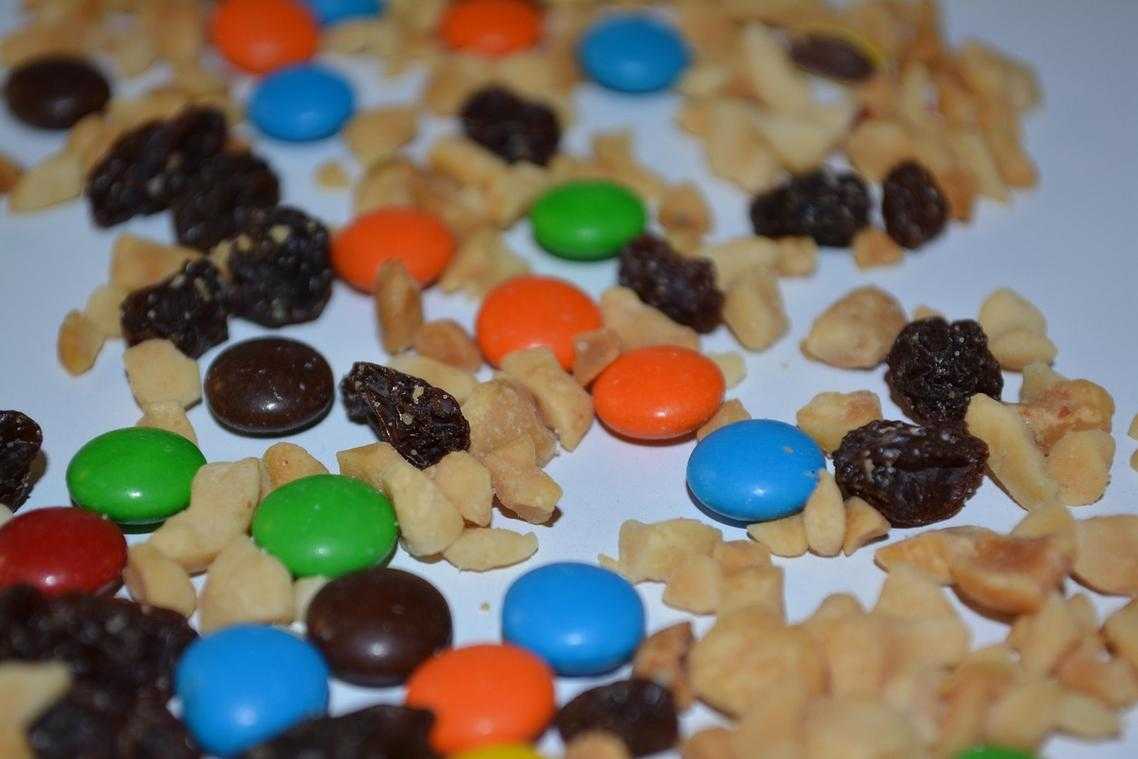
- DIY trail mix
- Jerky
- Fruit leather
- Energy chews
Small, steady fuel keeps blood sugar stable and energy consistent.
Dinner (The Recovery Meal)
Dinner repairs muscles and morale.
- Dehydrated meals
- “Ramen Bombs” (ramen + instant potatoes)
- Couscous or rice with beans, olive oil, spices
Hot food restores glycogen—stored energy in your muscles—and resets your mindset for tomorrow’s miles.
Smarter Packing, Better Eating: Pre-Trip Prep Hacks
I’ll say it: most people OVERPACK food and underthink packaging. Commercial wrappers are bulky, loud, and full of wasted air. Ditch them. Repackage everything into freezer-strength Ziploc-style bags and squeeze the air out like you’re sealing a summit victory. You’ll save space, cut weight, and avoid that crinkly midnight racket in camp (your tent mates will thank you).
For gear and supplies you don’t need on every trip, storage units Scarborough can be a convenient way to keep your equipment organized and ready without cluttering your home.
Some hikers argue original packaging keeps food fresher. Maybe. But in my experience, smart repacking wins every time for trips under a week.
Label EVERYTHING. Permanent marker. Big letters.
- Day 1 – Lunch
- Day 2 – Dinner
- Summit Snacks
No digging. No guesswork. No hanger-fueled meltdowns.
Then build a tiny “Flavor Kit.” Olive oil, mini salt and pepper, and a spice blend. Bland trail rice becomes edible. Edible becomes craveable. (Yes, morale matters.)
Here’s my unapologetic pro move: create a master spreadsheet for backpacking meal planning. Track calories and weight for every item. It sounds obsessive—until you realize you packed EXACTLY what you need.
If you care about systems, this pairs perfectly with the ultimate guide to layering clothes for outdoor adventures. Preparation is everything. Eat better. Carry smarter. Hike happier.
Putting It All Together: Sample Itineraries
Dialing in your backpacking meal planning starts with matching food to trip length and effort. Here’s how to make it practical.
The Weekend Warrior (2-Night Trip): Keep it simple and calorie-dense. Arrive, set camp, and cook dehydrated chili mac. The next day, rotate oatmeal with nuts for breakfast, then rely on two energy bars, trail mix, and salami for steady trail fuel. Close with a ramen bomb dinner and granola with powdered milk before hiking out.
The Long Haul (5-Night Trip): Build variety to fight flavor fatigue (yes, it’s real). Add a midweek “special” like dehydrated Pad Thai and stash high-fat snacks like Fritos for morale. Test meals at home before committing to them on trail.
Eat Well, Hike Farther
You set out to simplify your trail food strategy, and now you have a clear, repeatable system to do exactly that. No more overpacking, underfueling, or choking down meals you dread. With a smarter approach to backpacking meal planning, you eliminate the stress of guessing calories and start hiking with steady energy and stronger morale.
The real pain isn’t just heavy packs—it’s burnout, fatigue, and trips cut short because your nutrition failed you. Don’t let poor planning limit your miles.
Take action now: build your next menu using this framework and experience lighter packs, better meals, and stronger days on trail. Join thousands of hikers already upgrading their trail nutrition—start planning today and feel the difference on your very next climb.
 Elvric Xelvaris is the kind of writer who genuinely cannot publish something without checking it twice. Maybe three times. They came to wilderness exploration strategies through years of hands-on work rather than theory, which means the things they writes about — Wilderness Exploration Strategies, Horizon Headlines, Jaroconca Trekking Guides, among other areas — are things they has actually tested, questioned, and revised opinions on more than once.
That shows in the work. Elvric's pieces tend to go a level deeper than most. Not in a way that becomes unreadable, but in a way that makes you realize you'd been missing something important. They has a habit of finding the detail that everybody else glosses over and making it the center of the story — which sounds simple, but takes a rare combination of curiosity and patience to pull off consistently. The writing never feels rushed. It feels like someone who sat with the subject long enough to actually understand it.
Outside of specific topics, what Elvric cares about most is whether the reader walks away with something useful. Not impressed. Not entertained. Useful. That's a harder bar to clear than it sounds, and they clears it more often than not — which is why readers tend to remember Elvric's articles long after they've forgotten the headline.
Elvric Xelvaris is the kind of writer who genuinely cannot publish something without checking it twice. Maybe three times. They came to wilderness exploration strategies through years of hands-on work rather than theory, which means the things they writes about — Wilderness Exploration Strategies, Horizon Headlines, Jaroconca Trekking Guides, among other areas — are things they has actually tested, questioned, and revised opinions on more than once.
That shows in the work. Elvric's pieces tend to go a level deeper than most. Not in a way that becomes unreadable, but in a way that makes you realize you'd been missing something important. They has a habit of finding the detail that everybody else glosses over and making it the center of the story — which sounds simple, but takes a rare combination of curiosity and patience to pull off consistently. The writing never feels rushed. It feels like someone who sat with the subject long enough to actually understand it.
Outside of specific topics, what Elvric cares about most is whether the reader walks away with something useful. Not impressed. Not entertained. Useful. That's a harder bar to clear than it sounds, and they clears it more often than not — which is why readers tend to remember Elvric's articles long after they've forgotten the headline.