
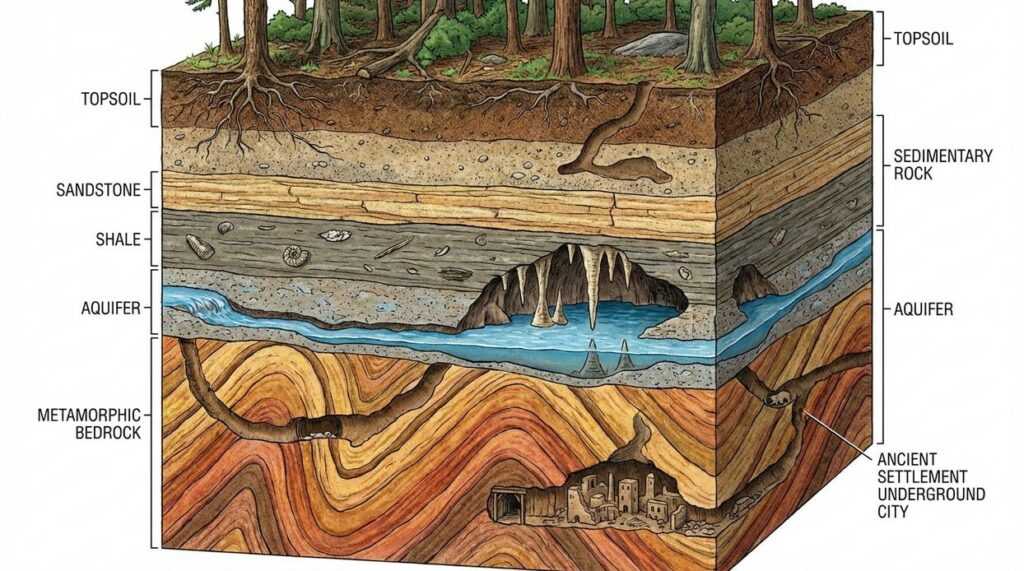
Stepping into a cave for the first time is equal parts thrilling and unforgiving. The underground world doesn’t offer second chances—without the right cave exploration equipment, a simple outing can quickly turn into a life-threatening emergency. Whether you’re navigating horizontal passages or preparing for vertical drops, knowing what gear is truly essential is your first and most important step. This guide delivers a clear, prioritized safety checklist built on real-world caving experience, cutting through confusion to explain not just what to bring, but why each item matters—so you can explore confidently and return safely every time.
The Unbreakable Rule of Threes: Your Primary Safety System
Before you embark on your cave exploration journey, it’s crucial to equip yourself with the right gear and safety guidelines, ensuring you not only have a thrilling adventure underground but also enjoy stunning natural wonders like the breathtaking Havajazon Waterfall afterwards – for more details, check out our To Visit Havajazon Waterfall.
Caves are unpredictable environments. Loose rock, sudden drops, and total darkness aren’t rare events—they’re standard conditions. That’s why the Rule of Threes exists: three layers of protection for your head, your light, and your footing.
Why a Climbing-Rated Helmet Is Mandatory
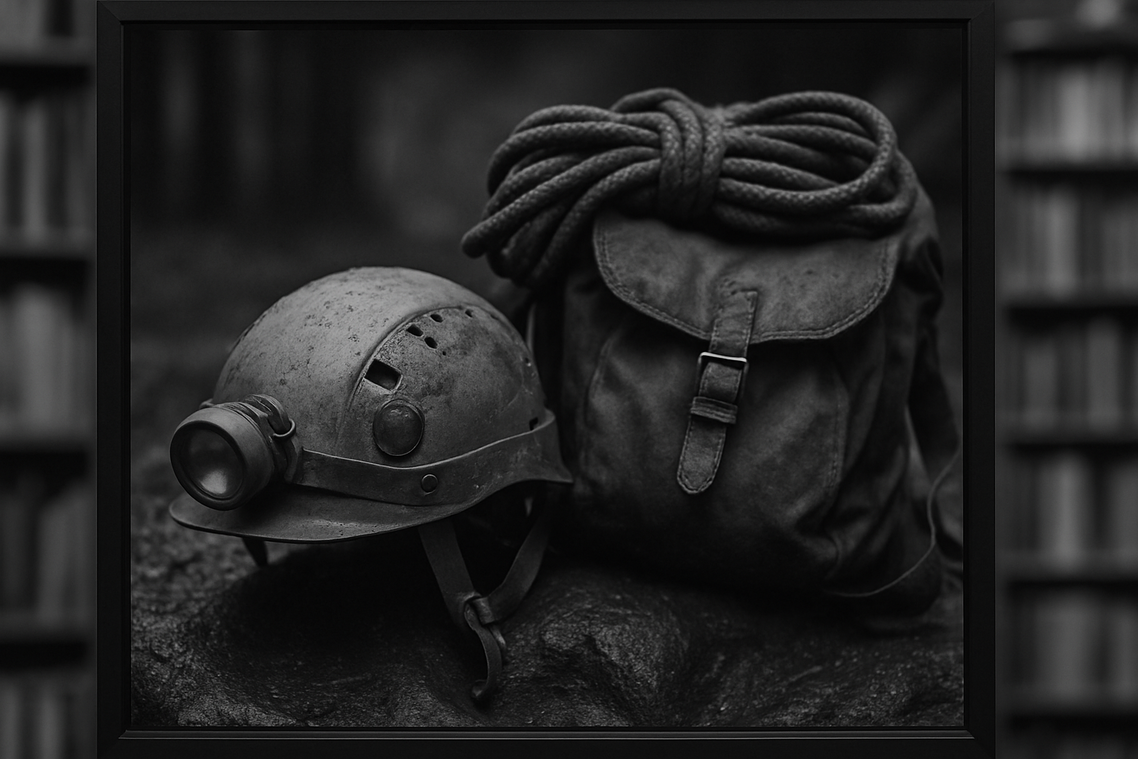
A climbing-rated helmet is designed to absorb impact from above and from the side. In caves, that matters. Falling rocks and low-hanging formations aren’t hypothetical risks; they’re routine hazards (and yes, you will eventually stand up too fast).
A simple hard hat protects mainly from vertical impact. A caving helmet, by contrast, includes:
- A secure chin strap to keep it in place if you slip
- Durable outer shell rated for climbing impacts
- Built-in mounts for headlamps
Without a chin strap, a helmet can fall off at the worst possible moment. Without proper mounting, your light becomes unreliable. Good cave exploration equipment always integrates helmet and lighting into one stable system.
The Lifeline of Light: Primary and Backup Sources
The three sources of light rule means exactly that: one primary and two backups. Your primary should be a powerful, durable LED headlamp. Backups must be separate units with fresh batteries.
Handheld flashlights are poor primary choices because they occupy one hand. In caves, you need both hands free for balance and climbing.
Your Connection to the Ground: Proper Caving Footwear
Wear sturdy, waterproof boots with deep lugs for traction on wet, muddy terrain. Ankle support prevents sprains on uneven surfaces. Lightweight sneakers may feel comfortable—but underground, stability matters more than comfort.
Dressing for the Depths: The Subterranean Layering System
The Cardinal Rule: COTTON KILLS
Cotton feels comfortable on the surface. Underground, it’s a liability. When cotton gets wet—from sweat, drips, or humidity—it absorbs moisture, loses insulation, and pulls heat from your body. In 50°F (10°C) cave air, that can accelerate hypothermia (a dangerous drop in core temperature). Some argue cotton is fine for “short trips.” Maybe. But caves are unpredictable. A quick squeeze through a wet crawl can soak you fast. Why gamble?
The Three-Layer System
Think in systems, not single garments:
- Base layer: Synthetic or merino wool to wick moisture (move sweat away from skin so it can evaporate).
- Mid-layer: Fleece for insulation by trapping warm air.
- Outer layer: Durable, abrasion-resistant coveralls to shield against mud and rock.
This setup keeps you dry, warm, and protected. Pro tip: avoid bulky insulation; tight passages punish puffiness.
Essential Protections
Gloves improve grip and protect against sharp limestone. Knee pads and elbow pads prevent bruises and long-term strain during crawls (your joints will thank you tomorrow).
What’s next? Check your helmet, lighting redundancy, and overall cave exploration equipment list. Because once you’re layered correctly, the real question becomes: are you prepared for hours underground?
The Caver’s Pack: Essentials for Self-Reliance
Choosing the right pack isn’t about style; it’s about survival. An ideal caving bag is durable, water-resistant, and low-profile, with zero dangling straps (snags are the underground equivalent of banana peels). PVC or heavy-duty nylon models resist abrasion against limestone and basalt. Think sleek submarine, not overstuffed hiking pack.
What’s Inside: The Survival Basics
Every caver’s loadout should include:
| Item | Purpose |
|---|---|
| High-energy food | Quick calorie replacement |
| 1L+ water | Hydration insurance |
| First-aid kit | Injury response |
| Space blanket | Emergency warmth |
These aren’t optional extras; they’re foundational cave exploration equipment. Some argue short trips don’t require full kits. That’s optimistic. Delays happen.
Waste Management Matters
Adopt the “pack it in, pack it out” ethos. Carry a bottle for liquid waste and sealable bags for trash.
Speculation: As access tightens, stricter cave protocols may mirror backcountry rules seen in island hopping adventures planning remote coastal trips. Pro tip: Pack once, check twice.
Going vertical in caves demands more than courage; it requires Single Rope Technique, or SRT. SRT is the standard method for ascending and descending a fixed rope in vertical environments, and it absolutely requires specialized training. Think of it as the difference between driving a car and piloting a helicopter; the stakes and skills are different.
The core SRT kit starts with a caving-specific sit harness, paired with a chest harness to keep you upright. Add a chest ascender like a Croll, a handled ascender such as a Jumar, a descender like a Petzl Stop, and secure foot loops. Together, these tools let you climb efficiently and descend with control. This is specialized cave exploration equipment, not improvised hardware store gear.
Next, consider ropes and connections. Static rope, designed to minimize stretch, is used in caving, while dynamic rope stretches to absorb falls in climbing. Using the wrong type can be dangerous. Equally critical, all load-bearing points must use locking carabiners. So what’s next? Seek formal instruction, practice changeovers, and inspect gear before every trip; mastery comes from repetition, not guesswork. Build skills gradually, ask mentors questions, and plan rescue contingencies before committing to deeper drops. Stay calm underground. Always.
Proper gear is not optional; it is the line between a great story and a rescue report. In caves, preparation vs improvisation is A vs B: one keeps you moving forward, the other leaves you stranded in the dark.
Consider the difference:
- Packed, tested lights vs a single failing flashlight
- Redundant ropes vs “this should hold”
- Detailed route plan vs vague memory
The cave environment offers zero second chances. Forget one backup light and the outcome shifts fast.
So, before every trip, lay out cave exploration equipment, inspect it, tell someone your plan, and never cave alone.
Take Your Next Step Underground
You set out to understand how to explore caves more safely, choose the right tools, and avoid costly or dangerous mistakes. Now you have a clearer picture of what it takes—from planning and navigation to selecting the right cave exploration equipment for unpredictable underground terrain.
The real challenge isn’t curiosity—it’s preparation. Poor gear choices, limited knowledge, or hesitation can turn an unforgettable adventure into a risky situation. But with the right strategy and dependable equipment, you dramatically increase your safety, confidence, and overall experience below the surface.
Now it’s time to act. Assess your current setup, upgrade the weak points, and commit to training before your next descent. Thousands of explorers rely on proven gear systems and tested techniques to stay safe in extreme environments—you should too.
Don’t let uncertainty hold you back from your next expedition. Equip yourself properly, refine your plan, and step into your next cave adventure fully prepared and in control.
 There is a specific skill involved in explaining something clearly — one that is completely separate from actually knowing the subject. Anthony Earponyo has both. They has spent years working with horizon headlines in a hands-on capacity, and an equal amount of time figuring out how to translate that experience into writing that people with different backgrounds can actually absorb and use.
Anthony tends to approach complex subjects — Horizon Headlines, Jaroconca Trekking Guides, Niche Explorations being good examples — by starting with what the reader already knows, then building outward from there rather than dropping them in the deep end. It sounds like a small thing. In practice it makes a significant difference in whether someone finishes the article or abandons it halfway through. They is also good at knowing when to stop — a surprisingly underrated skill. Some writers bury useful information under so many caveats and qualifications that the point disappears. Anthony knows where the point is and gets there without too many detours.
The practical effect of all this is that people who read Anthony's work tend to come away actually capable of doing something with it. Not just vaguely informed — actually capable. For a writer working in horizon headlines, that is probably the best possible outcome, and it's the standard Anthony holds they's own work to.
There is a specific skill involved in explaining something clearly — one that is completely separate from actually knowing the subject. Anthony Earponyo has both. They has spent years working with horizon headlines in a hands-on capacity, and an equal amount of time figuring out how to translate that experience into writing that people with different backgrounds can actually absorb and use.
Anthony tends to approach complex subjects — Horizon Headlines, Jaroconca Trekking Guides, Niche Explorations being good examples — by starting with what the reader already knows, then building outward from there rather than dropping them in the deep end. It sounds like a small thing. In practice it makes a significant difference in whether someone finishes the article or abandons it halfway through. They is also good at knowing when to stop — a surprisingly underrated skill. Some writers bury useful information under so many caveats and qualifications that the point disappears. Anthony knows where the point is and gets there without too many detours.
The practical effect of all this is that people who read Anthony's work tend to come away actually capable of doing something with it. Not just vaguely informed — actually capable. For a writer working in horizon headlines, that is probably the best possible outcome, and it's the standard Anthony holds they's own work to.