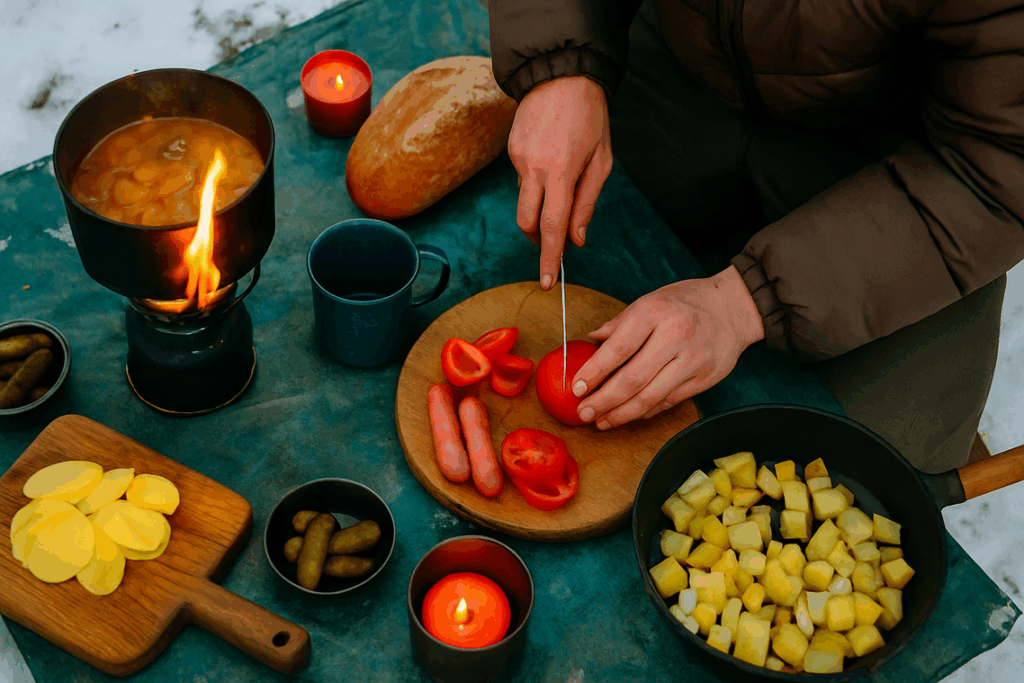
Planning a camping trip should feel exciting—not overwhelming. If you’re searching for clear, practical guidance on campsite setup essentials, you likely want to avoid rookie mistakes, stay comfortable outdoors, and make the most of your time in nature. This article is designed to give you exactly that: a focused, step-by-step breakdown of what truly matters when setting up camp, from choosing the right location to organizing gear for safety and efficiency.
We’ve drawn from field-tested wilderness strategies, real trekking experiences, and proven outdoor practices to ensure the advice here works in real-world conditions—not just in theory. Whether you’re heading into the backcountry or setting up at a designated campground, you’ll learn how to prepare smarter, pack efficiently, and create a campsite that’s secure, functional, and comfortable.
By the end, you’ll have a practical understanding of campsite setup essentials and the confidence to handle your next outdoor adventure with ease.
Packing chaos fades the moment your tent stands firm and the fire crackles. The difference between stress and serenity is preparation. Here’s your streamlined guide to campsite setup essentials that keep you safe and comfortable.
Start with shelter.
- Tent, stakes, guylines, and a groundsheet — pitch on level ground away from runoff.
- Sleeping system: insulated pad plus season-rated bag; test at home first.
- Kitchen kit: stove, fuel, lighter, water filter; boil when unsure.
- Safety basics: headlamp, first-aid kit, map, multitool.
Forget extras like bulky gadgets. Pro tip: lay everything out before packing to spot gaps early.
The Core Four: Your Shelter and Sleep System
When setting up your campsite, consider not only the safety and efficiency of your basecamp but also the innovative strategies discussed in our article ‘Eawodiz‘ that can enhance your outdoor experience.
When it comes to campsite setup essentials, four items determine whether you sleep soundly or stare at the tent ceiling questioning your life choices.
Tent: Your Portable Shelter
A tent is your non-negotiable first purchase. Size matters more than most beginners realize. A “3-person” tent realistically fits two people plus gear. (Manufacturers assume you’re all best friends who don’t mind elbow-to-elbow sleeping.)
A footprint—a ground cloth that sits under your tent—protects the floor from abrasion and moisture. Think of it as a phone case for your shelter. And swap out flimsy stock stakes for durable metal ones; factory stakes bend easily in hard soil.
Some argue ultralight tarps are enough. They can be—if you’re experienced and the weather cooperates. For most campers, a full tent means better protection and better sleep.
Sleeping Bag: Understanding Temperature Ratings
Sleeping bags list a temperature rating, meaning the lowest temperature at which the average sleeper stays warm. Choose one rated 10–15°F colder than the expected low. That buffer accounts for wind, humidity, and personal cold tolerance.
Down insulation is lighter and compresses small but loses warmth when wet. Synthetic insulation dries faster and costs less, though it’s bulkier. Wet climates? Synthetic often wins.
Sleeping Pad: More Than Cushioning
A pad insulates you from ground cold through its R-value—a measure of thermal resistance. Higher R-value equals better insulation.
- Closed-cell foam: durable, affordable, less cushy.
- Self-inflating: balanced comfort and insulation.
- Air pads: lightweight and comfortable, but puncture-prone.
Camp Pillow: The Sleep Multiplier
A dedicated camp pillow (inflatable or compressible) supports your neck properly. A clothes-stuffed sack works… technically. But real support means deeper sleep—and better mornings.
The Camp Kitchen: Fueling Your Adventure
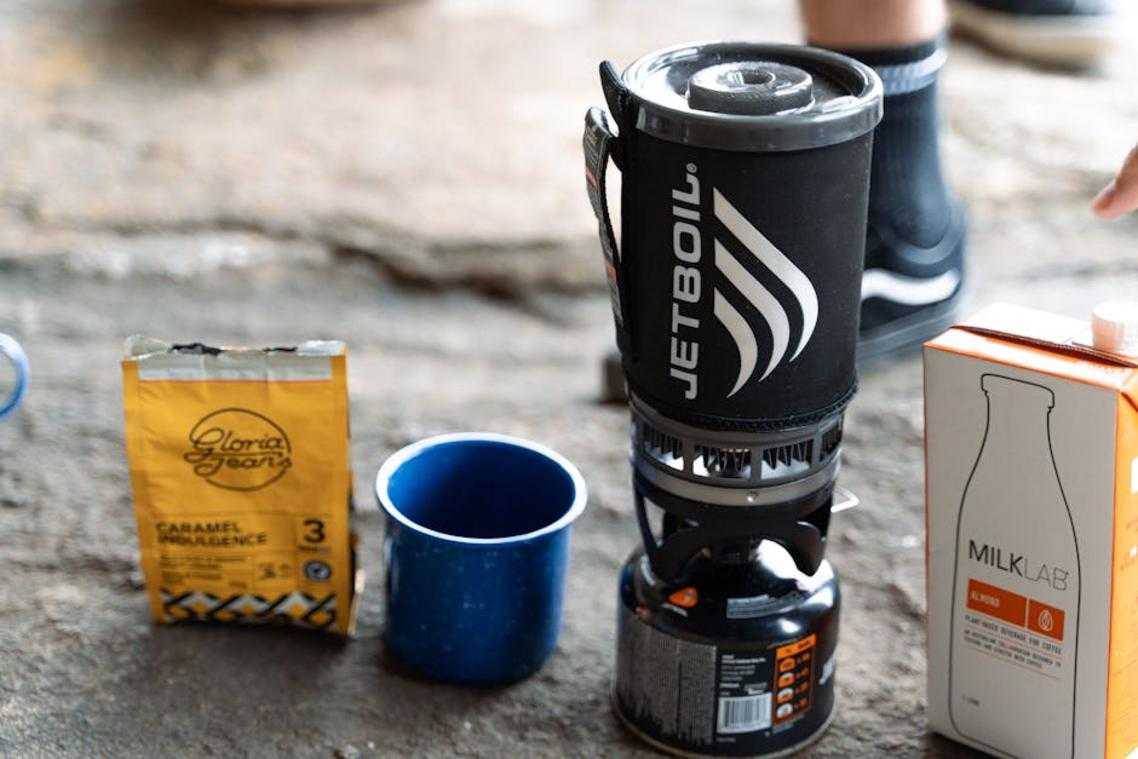
A great camp kitchen turns a quiet clearing into a place that smells like sizzling onions and fresh coffee at dawn. It’s the heart of your campsite setup essentials.
Stove & Fuel
Your stove is your engine. Canister stoves are lightweight and fast—twist, click, whoosh—you’ve got flame. Liquid fuel stoves, while a bit fussier, perform better in freezing temperatures (winter campers swear by them). Some argue canister stoves are all anyone needs. That’s fair—until cold weather sputters your flame to nothing. Bring more fuel than you think you’ll need. Pro tip: calculate your boils per meal, then add a 25% buffer.
Cookware & Utensils
Keep it simple: one pot, one pan, a spatula, a sharp knife, and a long-handled spoon to keep your knuckles away from heat. A basic mess kit handles the eating. The metallic clink of utensils and the steam curling off pasta make even a simple meal feel earned.
Cooler & Food Storage
Pre-chill your cooler, use block ice for slow melt, and layer food strategically. Some say a soft cooler is “good enough.” Maybe—for a picnic. In the wild, proper storage protects both you and wildlife. Use bear canisters or hang bear bags where required (National Park Service guidance). Nothing ruins a trip faster than paw prints in your provisions.
Water System
Water should taste clean, not questionable. Carry a reliable filter or purification tablets (CDC recommends treating backcountry water). Pack at least one Nalgene-style bottle and a collapsible bladder for hauling.
Cleanup Crew
Biodegradable soap, a sponge, durable trash bags. Follow Leave No Trace: pack out everything—even crumbs.
Campsite Illumination, Comfort, and Tools
Dialing in your campsite setup essentials can mean the difference between a relaxing evening and fumbling around in the dark looking for your toothbrush.
Lighting
A headlamp is your number one essential. It provides hands-free illumination, meaning you can cook, set up gear, or navigate uneven terrain without juggling a flashlight. According to the American Hiking Society, hands-free lighting significantly reduces nighttime trip hazards. Pair it with a small area lantern for cooking and general ambiance (because no one enjoys playing “guess that ingredient” at dinner).
Camp Chairs
Yes, you can sit on a log. You can also sleep on gravel—but why would you? A collapsible camp chair supports your back and keeps you off damp ground, improving comfort and even posture after long hikes. Pro tip: Choose one with a weight rating above your needs for better durability.
Essential Tools
A quality multi-tool or fixed-blade knife handles repairs, food prep, and fire-making. Add a compact hatchet or folding saw for processing firewood—where permitted by local regulations. Always check park guidelines first.
| Item | Why It Matters | Key Tip |
|---|---|---|
| Headlamp | Safe movement at night |
Bring spare batteries |
| Camp Chair | Comfort & support | Check packed weight |
| Multi-tool | Versatile repairs | Keep it accessible |
| Fire Kit | Reliable warmth | Store waterproof |
| First-Aid Kit | Injury response | Customize contents |
Fire Starting Kit
Redundancy is key: lighter, waterproof matches, and a fire starter like cotton balls with petroleum jelly in a sealed container.
First-Aid Kit
Start with a pre-made kit, then add blister care, insect repellent, pain relievers, and personal medications. Preparation beats improvisation—every time.
For navigating safely to and from camp, review understanding outdoor navigation fundamentals for beginners.
Essential Navigation and Personal Items
First, pack a paper map and compass, even if you rely on GPS—batteries die (usually at the worst moment). Next, store backups in waterproof bags. For campsite setup essentials, add sunscreen, a brimmed hat, layered clothing, and a compact toiletry kit for daily trail use.
From checklist to campsite, your adventure awaits—but only if you pack smart. Think of this guide as your basecamp blueprint.
Some campers wing it (A) and hope for the best. Others follow campsite setup essentials (B) and relax. The difference?
- Shelter: Tent + groundsheet vs. “I’ll sleep in the car”
- Kitchen: Stove, fuel, water system vs. cold granola bars
- Comfort: Chair, layers, lighting vs. shivering at dusk
When you compare A vs. B, preparation wins. A functional camp removes anxiety and frees you to explore confidently. Pack with intention, check items off, and enjoy the wild fully.
Ready to Elevate Your Next Wilderness Adventure?
You set out to learn how to approach your outdoor experience with more confidence, better preparation, and smarter strategy—and now you have the insight to do exactly that. From understanding terrain to refining your gear choices and mastering campsite setup essentials, you’re no longer heading into the wild guessing. You’re going prepared.
The biggest frustration for many outdoor enthusiasts is feeling unprepared once they’re miles away from help. A poor setup, overlooked gear detail, or weak plan can turn an incredible trip into a stressful one. But with the right knowledge and a deliberate approach, you eliminate uncertainty and replace it with control.
Now it’s time to act. Apply what you’ve learned on your next trek. Review your gear, refine your setup process, and commit to smarter wilderness strategies before you step onto the trail.
If you’re serious about safer, more efficient, and more rewarding outdoor adventures, explore more of our proven trekking guides and survival gear hacks today. Thousands of outdoor enthusiasts rely on our expert insights to level up their wilderness game—don’t head out unprepared. Start planning your next adventure with confidence now.