
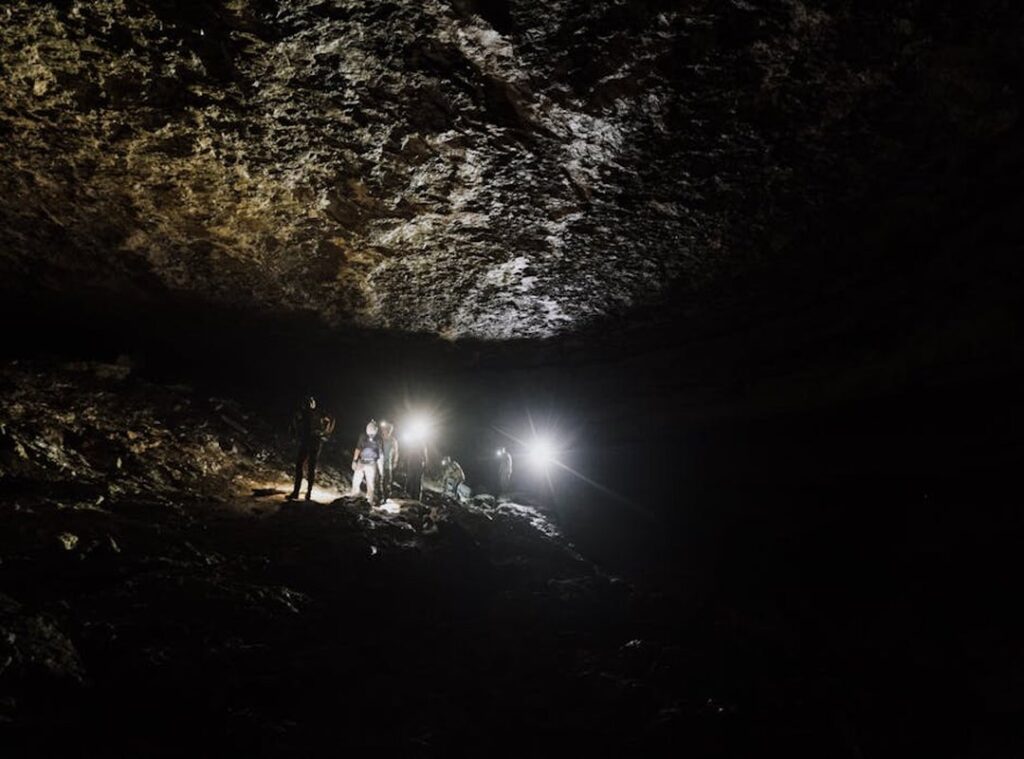
Caving is like stepping into another world. It’s silent, beautiful, and dangerous. You get it, right?
That pull. The dark mystery of what’s below. But here’s the problem.
Many would-be explorers hesitate. Why? Because the lack of reliable safety knowledge turns this adventure into something deadly.
And trust me, this isn’t just book knowledge. I’ve spent years guiding others safely through this underground maze. I know what I’m talking about.
You’ll get a no-fluff guide here. I’m sharing the important caving safety techniques to help you explore with confidence. It’s not about limiting your adventure.
Safety is what makes it possible. Ready to turn your fear into excitement? Dive in.
This guide gives you everything you need to explore responsibly and fully enjoy the thrill.
The Unbreakable Rules: Your Foundation for Cave Safety
Caving is about exploration and adventure, but let’s not kid ourselves (it’s) risky if you don’t follow the fundamentals. These aren’t just guidelines; they’re non-negotiable. Every trip, easy or tough, demands adherence.
First up: the ‘Rule of Threes’. Never cave alone. Always go in a group of at least three.
Why three? It’s simple. If someone gets hurt, one stays, one gets help.
This basic rule saves lives (don’t) skimp just because that Instagram photo looks cooler with just you.
Next, never skip creating a ‘Cave Plan’. Tell a reliable friend or family member where you’re headed, your route, and when you plan to return. Include names of your team, cave specifics, and emergency contacts.
Details matter here. Imagine the panic during a delayed return with no information relayed. You don’t want to be the cause of a search-and-rescue mission gone blind.
Then there’s ‘Know Your Limits’. This isn’t just about physical strength. It’s mental too.
A beginner should start easy. Almost every seasoned caver will tell you that turning back is often the smart move. Not a failure, but wisdom in action.
These caving safety techniques are what let us explore with a free spirit while keeping our sanity intact. Risks are part of the game, but recklessness isn’t. If you’re keen on exploring mysteries desert landscapes, the same principles apply: safety first.
So, ready to hit the caves? Just keep your head in the game. Always.
Gearing Up: The Lifesaving Equipment You Can’t Go Without
When you’re heading underground, you’re not just exploring caves. You’re diving into an alien world where every piece of gear is your lifeline. Let’s talk about the essentials.
Light is your first and most key buddy. You need three sources. The primary?
A helmet-mounted LED. This keeps your hands free. Your backup should be reliable too.
Another headlamp or a solid flashlight works. But don’t stop there. A third, long-lasting emergency source like a small crank light or chemical light sticks can save you if things go south.
Fresh batteries are a must for every trip. No exceptions.
Next up, personal protective equipment (PPE). A proper caving helmet is non-negotiable. Leave that bike helmet at home.
It’s not just about falling rocks. It’s also about protecting your head from low ceilings and unexpected bumps. Then there are boots.
Sturdy ones with ankle support and good traction. You don’t want to slip and land awkwardly. Trust me, it hurts.
Gloves are important too. They protect your hands from sharp rocks and help with climbing.
Let’s pack your survival kit. High-energy food like nuts and energy bars keeps you going when you’re deep in the cave. Carry at least one liter of water.
Dehydration sneaks up on you. A basic first-aid kit tailored for scrapes and sprains is key. An emergency thermal blanket can keep you warm if you get stuck.
And don’t forget a loud whistle. It’s a small thing that can make a huge difference in a rescue situation.
For those serious about caving, understanding caving safety techniques is a no-brainer. Staying safe isn’t just smart (it’s) important. Caving is thrilling, but it demands respect.
Gear up right and you’ll be ready for whatever the cave throws at you.
Mastering the Darkness: Movement, Awareness, and Mindset
When caving, don’t fixate on what you have. Focus on what you do. Fast movement can be a lifesaver down there.
Always maintain three points of contact. It means keeping two hands and one foot (or) vice versa. On stable surfaces while you move.
This isn’t optional.
Testing handholds and footholds is key. Give them a solid yank before trusting them with your weight. It’s about survival, not just adventure.
Loose rocks (or “choss” as seasoned cavers call them) can be treacherous, and they lurk in the shadows. Spotting these hazards requires sharp observation skills. And let’s not forget about changing water levels and unstable floors.
Some places seem fine until you hear water gushing.
What about tight squeezes? There’s no shame in backing out if space looks questionable. Assess the fit.
Your life might depend on it. Psychological preparedness is just as key as physical skills. Sensory deprivation and claustrophobia are real monsters.
How do you manage them? Keep calm and conserve energy by moving deliberately.
Maintain clear communication with your group. It’s not just polite; it’s important. You need to know where everyone is and how they’re doing.
This way, nobody gets left behind in the darkness. It’s a team effort.
And while you’re at it, explore topics of interest like discovering hidden waterfalls continents. It’s a refreshing break from cave talk and shows what’s possible beyond your current adventure.
In the end, caving safety techniques aren’t just about rules. They’re about respect for the cave and for those you share the adventure with. Stay aware, stay safe, and savor the journey.
When the Plan Fails: Your Emergency Response Protocol
Preparation for the worst-case scenario separates seasoned explorers from reckless amateurs. You need a plan for when things go sideways. Let me dive into it.
Lost or Disoriented
The first steps when you’re lost? It’s the S.T.O.P. method: Stop, Think, Observe, Plan. Don’t scatter.
Stay put. Why? Because conserving energy and being findable is key.
Wandering off? That’s a rookie mistake.
Light Failure
Imagine your headlamp dies. Don’t panic. Access your backup light calmly.
Your group should pause and make sure everyone’s backup lights are working before moving on. It’s about keeping your cool. Always.
Injury Protocol
Minor injury during a cave expedition? Stabilize the injured person and break out the first-aid kit. Then decide: do you proceed or retreat?
This is where the ‘Rule of Threes’ shines. You need that redundancy.
Hypothermia is lurking in those cool, wet caves. Shivering and confusion are early signs. Stay dry and munch on high-energy snacks to ward it off.
Caving safety techniques demand this vigilance. Get sloppy and you’ll pay for it.
You need these protocols drilled into your routine. Remember, it’s the prep that keeps you safe beneath the earth.
Dive Into Adventure
We’ve tackled the fear of the unknown in caving. It’s not about dodging risk but managing it with caving safety techniques. You know this now.
Knowledge, preparation, and a deep respect for the environment turn fear into thrill. That’s your ticket to a hidden world.
Ready for the next step? Assemble your ‘Three Sources of Light’ kit. Or maybe research a local, beginner-friendly grotto.
Find mentors. They’ll guide you, show you the ropes, and share their wisdom.
Why wait? Jaroconca.com is filled with resources and guides to help you. Don’t let fear hold you back.
Embrace the adventure with the confidence of being prepared. Start now. Head to your nearest caving club.
Your adventure awaits, and it’s time you answer the call.
 There is a specific skill involved in explaining something clearly — one that is completely separate from actually knowing the subject. Anthony Earponyo has both. They has spent years working with horizon headlines in a hands-on capacity, and an equal amount of time figuring out how to translate that experience into writing that people with different backgrounds can actually absorb and use.
Anthony tends to approach complex subjects — Horizon Headlines, Jaroconca Trekking Guides, Niche Explorations being good examples — by starting with what the reader already knows, then building outward from there rather than dropping them in the deep end. It sounds like a small thing. In practice it makes a significant difference in whether someone finishes the article or abandons it halfway through. They is also good at knowing when to stop — a surprisingly underrated skill. Some writers bury useful information under so many caveats and qualifications that the point disappears. Anthony knows where the point is and gets there without too many detours.
The practical effect of all this is that people who read Anthony's work tend to come away actually capable of doing something with it. Not just vaguely informed — actually capable. For a writer working in horizon headlines, that is probably the best possible outcome, and it's the standard Anthony holds they's own work to.
There is a specific skill involved in explaining something clearly — one that is completely separate from actually knowing the subject. Anthony Earponyo has both. They has spent years working with horizon headlines in a hands-on capacity, and an equal amount of time figuring out how to translate that experience into writing that people with different backgrounds can actually absorb and use.
Anthony tends to approach complex subjects — Horizon Headlines, Jaroconca Trekking Guides, Niche Explorations being good examples — by starting with what the reader already knows, then building outward from there rather than dropping them in the deep end. It sounds like a small thing. In practice it makes a significant difference in whether someone finishes the article or abandons it halfway through. They is also good at knowing when to stop — a surprisingly underrated skill. Some writers bury useful information under so many caveats and qualifications that the point disappears. Anthony knows where the point is and gets there without too many detours.
The practical effect of all this is that people who read Anthony's work tend to come away actually capable of doing something with it. Not just vaguely informed — actually capable. For a writer working in horizon headlines, that is probably the best possible outcome, and it's the standard Anthony holds they's own work to.