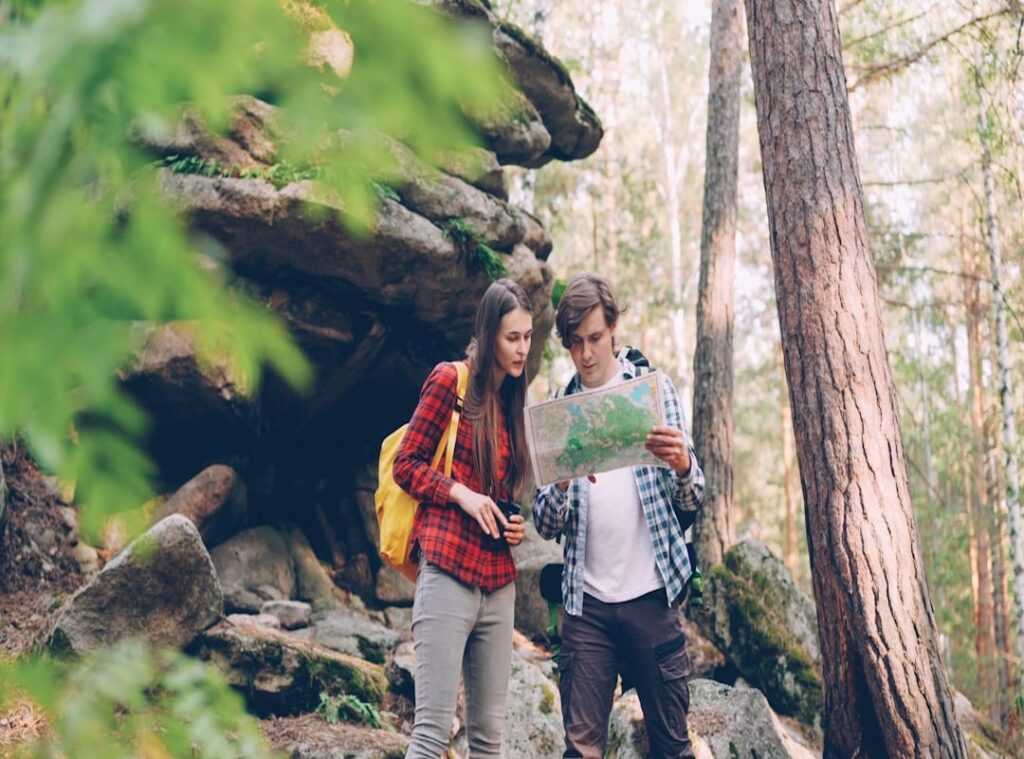
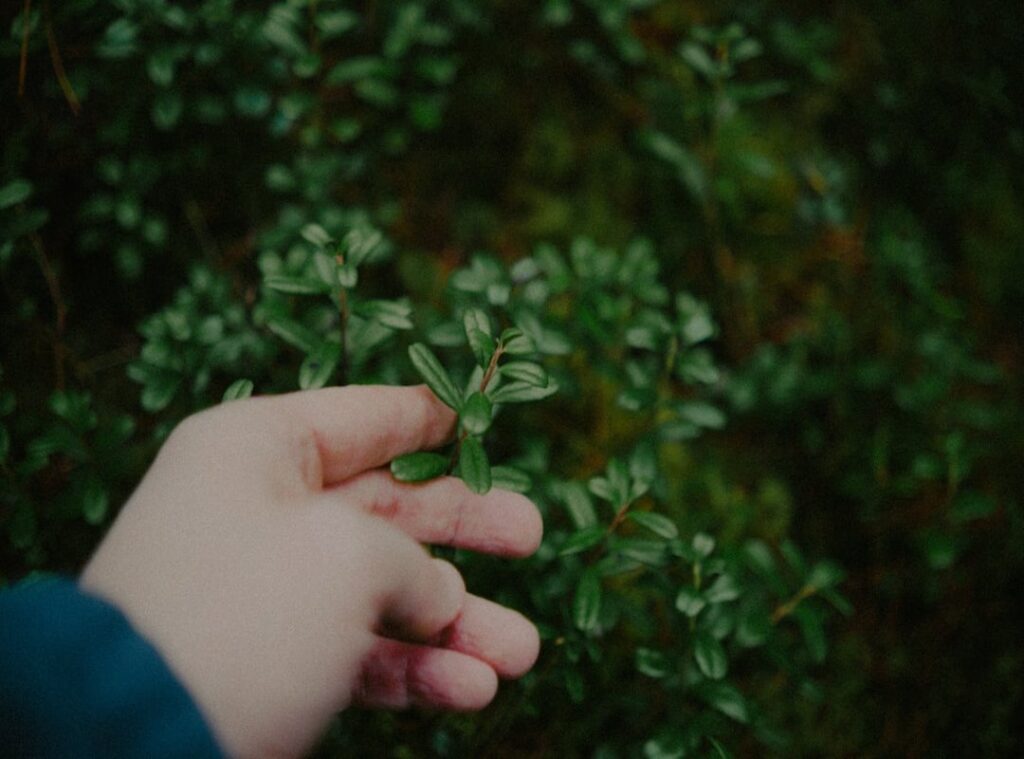
Imagine every hike or walk in the park becoming a treasure hunt for nature’s pantry. One minute you’re just strolling, and the next you’re eyeing that patch of greens, wondering if it’s dinner-worthy. Fascinated by foraging but held back by fear of misidentification?
You’re not alone. Many curious souls want to dive into the world of edible plants wild but hesitate at the first step.
I get it. I’ve spent years exploring backcountry trails, turning treks into nourishing adventures. I want you to trust this guide, backed by experience and respect for the land.
It’s not just about spotting plants; it’s about safely enjoying what nature offers. This article promises a practical, inspiring beginner’s guide. By the end, you’ll feel confident to explore and enjoy your first wild edibles.
Why Forage? Reconnecting with the Wild Spirit
Foraging isn’t just about survival, it’s a chance to reconnect with nature. I mean, when was the last time you stopped to really notice a plant? Wild, edible plants are out there, packed with vitamins and minerals that beat their cultivated cousins hands down.
When you forage, you become more aware of your environment. It’s like mindfulness with a purpose. You slow down, observe, and immerse yourself in the wilderness.
Does it get any better than that?
There’s a confidence that comes with knowing you can source your own food. It’s empowering. Imagine hiking through the woods, identifying plants you can actually eat.
That’s real self-reliance. Understanding these ecosystems gives you insight into natural cycles and makes every walk an adventure.
Foraging is freedom. It’s about stepping away from the consumer grind and tasting something wild and pure. Getting to know the land on such an intimate level is something else.
But remember, being in tune with the wilderness also means understanding Leave No Trace principles. You take what you need, nothing more. A balanced dance with nature, right?
So, why not take a walk on the wild side and explore the world of edible plants wild?
The Forager’s Code: 3 Unbreakable Rules
Foraging isn’t just wandering through the woods picking whatever looks tasty. It’s serious business. If you’re diving into the world of edible plants wild, there are rules you can’t break.
First, absolute certainty is your best friend. You have to know exactly what you’re picking. Mistakes can be dangerous, even deadly.
Use multiple sources. Field guides, local experts (get) them on speed dial. And remember the mantra: “When in doubt, leave it out.” It’s not just a catchy phrase.
It’s your lifeline.
Next, know the land like your own backyard. History matters. Some places are just off-limits.
Roadsides? No thanks. Exhaust fumes coat those plants.
Industrial areas? Heavy metals are not on the menu. Lawns with pesticides?
Hard pass. You don’t want to turn your foraging trip into a toxic adventure.
Respect for nature is non-negotiable. Harvesting with respect means taking only what you need. There’s this thing called the “1/10th rule.” Take no more than 10% of a patch.
Leave the rest to thrive for wildlife and future foragers. It’s not just about us. It’s about the space.
And leave no trace. Seriously. Your presence should be invisible.
If you’re looking for a full foraging reference: 130+ edible wild plants, that’s a solid place to start.
These aren’t just guidelines. They’re the foundation for any aspiring forager. You follow them, you build trust with nature, and you demonstrate authority in the field.
Ignore them, and you’re playing with fire. Literally. So gear up, respect the rules, and let nature be your guide.
Dive Into the Wild: 5 Edibles You Can Find Anywhere
Embarking on your first foray into foraging? Wild edible plants are an exciting entry point. Let’s cut to the chase with five common plants you can find almost anywhere.

Dandelion. You probably call these weeds, but they’re more like edible treasures. Look for bright yellow flowers and jagged leaves. They love sunny lawns and roadsides. Eat the leaves, flowers, and roots. Toss young leaves in a salad, but pick them before the plant blooms. More nutritious and less bitter. Watch out for toxic look-alikes like Hawkweed. Dandelions have that iconic bloom, Hawkweed does not.
Next, Broadleaf Plantain. This one’s easy to spot with its broad, ribbed leaves growing tightly along the ground. They’re everywhere: lawns, roadsides, and even cracks in the sidewalk.
Leaves and seeds are edible. Chop the leaves, sauté them with a bit of garlic, and you’ve got a quick side dish. Common toxic look-alike?
None. Plantain is safe if you know your leaves.
Find them in grassy areas, especially sunny spots. Eat both flowers and leaves. Brew fresh flowers for tea.
Let’s talk Clover. Those lucky three-leaf (sometimes four-leaf) beauties. Their white or pinkish blooms are a giveaway.
But clovers have a toxic friend (Lupines.) Lupines might look similar when young, but they have more lively flowers and a different leaf shape.
Violets come next, not just for garden aesthetics. Their heart-shaped leaves and purple blossoms make them easy to recognize. They thrive in moist, shady areas. Use leaves and flowers in salads, or candy the flowers for a sweet treat. A warning: don’t confuse them with Buttercups, which have a different leaf texture and can be harmful.
Finally, Chickweed. Small, starry white flowers with a thin line of hair on one side of the stem. It loves disturbed soil and thrives in gardens.
Use the whole plant (stems,) leaves, and flowers. Stir these into soups or toss in salads. Beware of Spurge, a toxic look-alike.
Spurge leaks milky sap when broken, while Chickweed does not.
Feeling adventurous? Dive deeper with your exploration. Understanding how create wilderness survival plan elevates your foraging.
So, why not head outside and meet these edible treasures in the wild?
Gearing Up: Tools and Tips for Foraging
So, what do you need to start your foraging adventure? Not much, really. A sturdy gathering bag is a must (cloth or wicker, not plastic).
You want to keep those delicious finds in good shape. A small knife or a pair of scissors also comes in handy. And don’t forget gardening gloves unless you enjoy a good sting from nettles.
Now, a high-quality field guide is your best friend. Why? Because when you’re out hunting for edible plants wild in the backcountry, your cell phone might fail you.
No signal, no battery, you know the drill. A physical book doesn’t run out of juice or leave you hanging in the middle of nowhere.
Foraging apps? Sure, they’re fun but treat them like you would a second opinion. They’re not gospel.
Use them to cross-reference but never as your primary source for identification. There’s nothing quite like having a real, tangible book in your hands when you’re miles from nowhere.
Then there’s the local wisdom. Connect with local foraging groups or cozy up to seasoned experts. There’s a wealth of knowledge there that a book or app just can’t capture.
Real-world experience beats theory every time (and you might make some new friends).
Pro tip: Always carry a small notebook. Jot down what you find. It’ll serve you well on your foraging journey.
Discover Your Foraging Adventure
Fear keeps many from the edible plants wild. You’re not alone. But here’s the deal: when you approach it with respect and a plan, it transforms into an empowering experience.
Start with the ‘Forager’s Code’ and a few easy-to-identify plants. This isn’t just about food; it’s about finding a deeper connection with nature.
Ready for the challenge? Choose one plant from our list, spot it on your next walk, and focus solely on identification. Build your confidence.
Your wild adventure awaits. Want proof? Thousands already trust this method.
Now it’s your turn.
 There is a specific skill involved in explaining something clearly — one that is completely separate from actually knowing the subject. Anthony Earponyo has both. They has spent years working with horizon headlines in a hands-on capacity, and an equal amount of time figuring out how to translate that experience into writing that people with different backgrounds can actually absorb and use.
Anthony tends to approach complex subjects — Horizon Headlines, Jaroconca Trekking Guides, Niche Explorations being good examples — by starting with what the reader already knows, then building outward from there rather than dropping them in the deep end. It sounds like a small thing. In practice it makes a significant difference in whether someone finishes the article or abandons it halfway through. They is also good at knowing when to stop — a surprisingly underrated skill. Some writers bury useful information under so many caveats and qualifications that the point disappears. Anthony knows where the point is and gets there without too many detours.
The practical effect of all this is that people who read Anthony's work tend to come away actually capable of doing something with it. Not just vaguely informed — actually capable. For a writer working in horizon headlines, that is probably the best possible outcome, and it's the standard Anthony holds they's own work to.
There is a specific skill involved in explaining something clearly — one that is completely separate from actually knowing the subject. Anthony Earponyo has both. They has spent years working with horizon headlines in a hands-on capacity, and an equal amount of time figuring out how to translate that experience into writing that people with different backgrounds can actually absorb and use.
Anthony tends to approach complex subjects — Horizon Headlines, Jaroconca Trekking Guides, Niche Explorations being good examples — by starting with what the reader already knows, then building outward from there rather than dropping them in the deep end. It sounds like a small thing. In practice it makes a significant difference in whether someone finishes the article or abandons it halfway through. They is also good at knowing when to stop — a surprisingly underrated skill. Some writers bury useful information under so many caveats and qualifications that the point disappears. Anthony knows where the point is and gets there without too many detours.
The practical effect of all this is that people who read Anthony's work tend to come away actually capable of doing something with it. Not just vaguely informed — actually capable. For a writer working in horizon headlines, that is probably the best possible outcome, and it's the standard Anthony holds they's own work to.