So you’re ready to hit the trails, huh? But there’s a small problem. What do you actually need to bring?
That’s the real question. With so much stuff out there, it’s easy to get overwhelmed. I’ve seen beginner hikers load up with all sorts of nonsense they don’t need.
Trust me, you don’t want to be that person. The right gear for beginner hikers can make your first hike way more enjoyable (and safer). I’ve spent years figuring out what works and what doesn’t.
That’s why you can trust this guide to keep you from making rookie mistakes.
You’ll get streamlined advice on essentials, not fluff. We’ll cover the basics you truly need to start exploring nature without breaking the bank or your back.
So, what do you really need to get started? By the end of this article, you’ll have a clear, no-nonsense list of must-have gear. Let’s get into it.
First Things First: The ‘Absolutely Important’ Hiking Gear
Before you even think about hitting the trails, let’s start with the basics: the ‘Ten Essentials’. These are the foundation of any hiking kit. Seriously, don’t skip this.
Navigation is where it all begins. A phone with a downloaded map is great, but what happens when the battery dies? Always carry a simple compass as a backup. You don’t want to be that person lost in the woods, trust me.
A headlamp should never be left behind. You might think you’ll be back before dark, but that ‘quick’ hike can turn into a night errand. Your phone’s flashlight won’t cut it (and it’ll drain the battery faster).
Sun protection isn’t just for sunny days. A hat, sunglasses, and sunscreen are non-negotiable. You don’t want to look like a lobster the next day, right?
Now, first aid kits. Do you really plan on patching up a cut with duct tape? A basic kit is cheap insurance against a ruined trip.
A knife or a multi-tool is a no-brainer. It’s useful for everything from repairing gear to slicing cheese for a snack. Trust me, you’ll miss it if you leave it behind.
Fire starter… Ever tried rubbing sticks together for a fire? I wouldn’t. Matches or a lighter could be lifesavers when temperatures drop unexpectedly.
An emergency shelter, like a space blanket or bivy sack, doesn’t take up much room but could keep you alive. Think of it as carrying a safety net.
Pack extra food. Those granola bars better not be your only plan. A long day needs more than trail mix to keep you going.
Extra water is key. Forgetting it means trouble, especially when you’re deeper into the wild than you thought you’d be. A lightweight filter or purifying tablets are solid choices.
Lastly, extra clothes. Weather can turn on a dime. A light jacket or thermal layer could mean the difference between a miserable trip and a comfortable one.
For a quick recap, here’s your 10 essentials checklist:
- Navigation (phone map, compass)
- Headlamp (with extra batteries)
- Sun protection (hat, sunscreen)
- First aid kit
- Knife or multi-tool
- Fire starter (matches, lighter)
- Emergency shelter
- Extra food
- Extra water (filter/purifier)
- Extra clothes (thermal, jacket)
Need a deeper dive into planning your gear? Check out this creating perfect camping checklist. It’s a game changer for anyone trying to start out right.
Spend Smart: The ‘Big Three’ for Hikers
Let’s talk about spending wisely, especially when it comes to hiking. You don’t need to splash out on every piece of gear. But there are three essentials where putting down cash makes sense: Hiking Footwear, a good Backpack, and a solid Rain Shell.
Trust me, your feet and back will thank you.
Starting with hiking footwear. Boots or trail runners? The choice can be confusing.
But here’s the deal: don’t get hung up on brands or flashy price tags. The fit is what counts. If your shoes don’t fit right, you’ll feel every blister, every ache.
A pro tip? Shop later in the day when your feet are a bit swollen. That way, you get the most accurate fit.
Believe me, the right shoes can make or break your hike.
Next, the backpack. Size matters here (and no, not in the way you’re thinking). You need something that fits the type of hike you’ll tackle.
For day hikes, a 20-30 liter pack is ideal. Don’t just grab one off the shelf. Put it on, see how it feels.
Check the torso length. It should hug you comfortably, not strangle your shoulders. A good fit means your gear won’t feel like a burden.
Lastly, let’s tackle the Rain Shell. It’s more than just rain protection. It’s your defense against wind and sudden weather changes.
Look for something labeled “waterproof and breathable.” In simple terms, this means it keeps water out but lets sweat escape. You’re not a steamed dumpling; you don’t want to trap heat and moisture inside. It’s an investment in comfort and safety.
If you’re new to all this and want more tips, check out hiking for beginners: the important guide. Diving into these details might seem overwhelming at first, but it’s worth it. When you’re out on a trail with the right gear, you’ll appreciate every penny spent.
So get geared up, lace those boots, and hit the trail. You won’t regret it.
Level Up Your Comfort: Gear That Makes a Real Difference
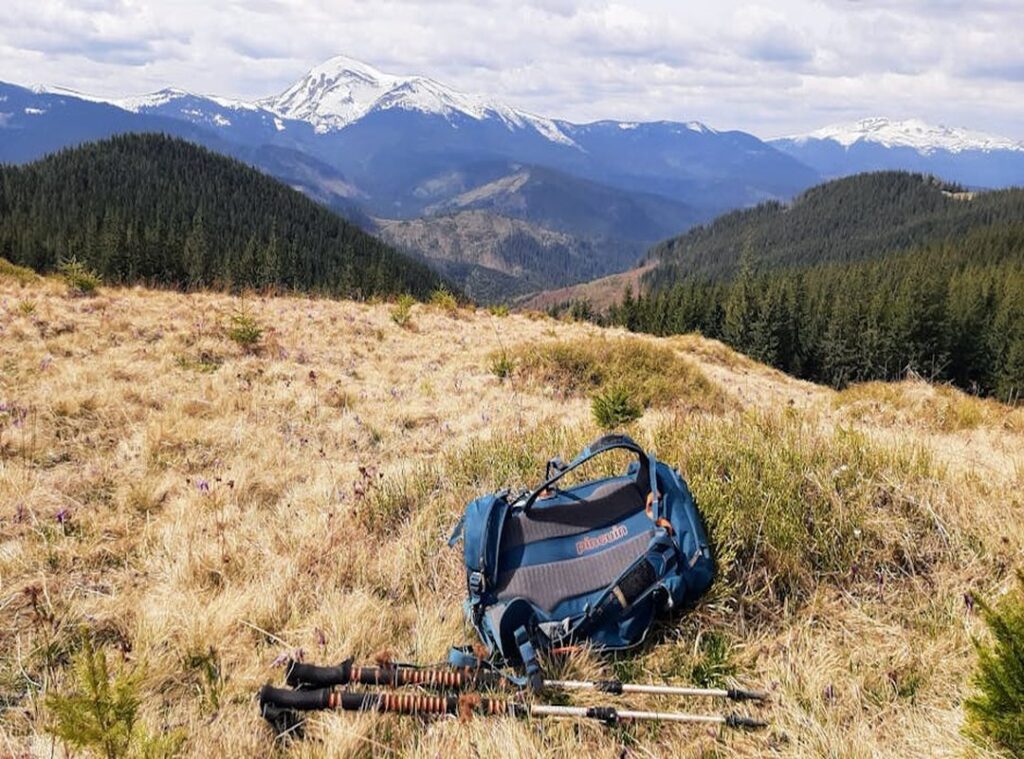
So you’ve got the basics. Now let’s talk about the gear for beginner hikers that actually turns a grueling day into a fun one. First up, trekking poles.
You might think they’re just for the older crowd, but that’s a myth. These things save your knees on the way down and help keep you stable. Who wouldn’t want that?
Carrying water? A pain. But a water filter or purifier changes the game.
It lets you carry less weight and refuel from streams. A simple squeeze filter can be more convenient than purification tablets. Trust me, it makes a difference.
And if you’re worried about germs, the filter’s got you covered.
Now, let’s address the clothing issue. Cotton? Forget it.
They say “cotton kills” for a reason. It gets wet and stays wet, which is not what you want. Invest in moisture-wicking synthetic shirts and wool socks.
These are affordable upgrades that will keep you comfortable and dry. Your feet will thank you.
Blisters can ruin your day fast. That’s why a dedicated blister kit is a small but mighty addition to your basic first-aid kit. Moleskin and tape can be lifesavers when you’re miles from the trailhead.
And hey, while you’re out there, you’ll want to know how to set up campfire safely. It’s all part of the experience, right? The right gear doesn’t just make hiking easier; it makes it enjoyable.
So gear up and get out there.
Avoiding Beginner Blunders: Hiking Essentials
I’ve been there, and trust me, it’s easy to get overexcited. You see all that shiny new gear for beginner hikers? Hold your horses.
Buying everything at once? Rookie mistake. First, figure out what you actually need.
And those stylish boots? Sure, they look great but do they hold up on a trail? Probably not.
Pack your gear (and test it) before hitting the trailhead. Nothing worse than realizing your flashlight’s dead at dusk. Also, don’t rely solely on your phone.
You lose signal or battery, and you’re toast. Been there, done that. Learn from my errors.
Ready, Set, Hike
Feeling ready yet? You should be. You’ve got a plan in place, and you’re not drowning in choices anymore.
Remember, the main pain was all that confusion about which gear for beginner hikers to choose. But now, safety and comfort are your top buddies. Don’t stress.
Start with the basics. Borrow some stuff. Hit the trail already.
Your adventure is waiting, and it doesn’t care if your boots are last year’s model. Want to make this easy? Dive in with a clear mind and light pack.
You’re sorted. So go explore. The trail’s calling, and it’s not going to wait.
 Elvric Xelvaris is the kind of writer who genuinely cannot publish something without checking it twice. Maybe three times. They came to wilderness exploration strategies through years of hands-on work rather than theory, which means the things they writes about — Wilderness Exploration Strategies, Horizon Headlines, Jaroconca Trekking Guides, among other areas — are things they has actually tested, questioned, and revised opinions on more than once.
That shows in the work. Elvric's pieces tend to go a level deeper than most. Not in a way that becomes unreadable, but in a way that makes you realize you'd been missing something important. They has a habit of finding the detail that everybody else glosses over and making it the center of the story — which sounds simple, but takes a rare combination of curiosity and patience to pull off consistently. The writing never feels rushed. It feels like someone who sat with the subject long enough to actually understand it.
Outside of specific topics, what Elvric cares about most is whether the reader walks away with something useful. Not impressed. Not entertained. Useful. That's a harder bar to clear than it sounds, and they clears it more often than not — which is why readers tend to remember Elvric's articles long after they've forgotten the headline.
Elvric Xelvaris is the kind of writer who genuinely cannot publish something without checking it twice. Maybe three times. They came to wilderness exploration strategies through years of hands-on work rather than theory, which means the things they writes about — Wilderness Exploration Strategies, Horizon Headlines, Jaroconca Trekking Guides, among other areas — are things they has actually tested, questioned, and revised opinions on more than once.
That shows in the work. Elvric's pieces tend to go a level deeper than most. Not in a way that becomes unreadable, but in a way that makes you realize you'd been missing something important. They has a habit of finding the detail that everybody else glosses over and making it the center of the story — which sounds simple, but takes a rare combination of curiosity and patience to pull off consistently. The writing never feels rushed. It feels like someone who sat with the subject long enough to actually understand it.
Outside of specific topics, what Elvric cares about most is whether the reader walks away with something useful. Not impressed. Not entertained. Useful. That's a harder bar to clear than it sounds, and they clears it more often than not — which is why readers tend to remember Elvric's articles long after they've forgotten the headline.