
A survival knife isn’t just another piece of gear—it’s your lifeline when everything else fails. Yet without proper care, even the toughest blade can dull, corrode, and become a dangerous liability. Moisture, grit, and repeated use quietly degrade performance until the moment you need it most. This guide is built around one essential principle: survival knife maintenance must be simple, consistent, and field-ready. Drawing from extensive wilderness testing and real-world outdoor experience, we’ll walk you through a no-nonsense routine that keeps your blade sharp, clean, and reliable—so it performs flawlessly when your safety depends on it.
The First Rule of Knife Care: Clean and Dry After Every Use
As you hone your survival skills for outdoor adventures, don’t forget that maintaining a sharp blade is just as crucial as knowing the best routes, like those detailed in our Complete Trekking Guide to Jaroconca’s Scenic Ridge Trails.
It sounds simple, yet it’s non-negotiable: clean and dry your knife after every use. Tree sap, food residue, dirt, and moisture are corrosive agents—meaning they chemically break down metal and degrade handle materials over time. Even stainless steel isn’t stain-proof (despite the name), and prolonged exposure can cause pitting corrosion (small, permanent rust holes) (ASM International).
Step-by-Step Cleaning That Actually Works
For fixed blades, start with a soft cloth to wipe debris away. If needed, use warm water and mild soap. Always clean from spine to edge to protect your fingers. Then scrub the choil (the small unsharpened notch near the handle) where grime loves to hide. Finally, wipe down the handle—wood and micarta can absorb moisture if neglected.
For folding knives, focus on the pivot and locking mechanism. Use a toothpick or compressed air to remove trapped grit. A drop of mild soapy water on a cloth—never a soak—works best.
Most importantly, dry everything thoroughly. Use a towel first, then air-dry fully opened folders to protect the interior. This simple habit defines good survival knife maintenance. Pro tip: apply a light coat of food-safe oil afterward for added protection.
A Sharp Blade is a Safe Blade: Your Sharpening Blueprint
I learned this the hard way. On a cold morning in camp, I pressed harder and harder on a tomato with my “factory sharp” knife—until it slipped. A tiny cut, big lesson. The myth of factory sharp is just that: a myth. A factory edge is a starting point, not a permanent state. Even light carving or food prep dulls the microscopic cutting edge (steel at the very apex bends and wears with use).
First, let’s clear up confusion.
- Sharpening removes metal to create a new edge.
- Honing realigns an existing edge without removing much material.
Think of honing like combing messy hair; sharpening is a haircut. Both matter.
Next, choosing your field sharpener. Pocket diamond stones cut fast and work on most steels (great in bad weather). Ceramic rods are lightweight and excellent for touch-ups. Pull-through sharpeners are convenient but can remove too much metal if overused. I carry a small diamond plate after one trip where a cheap pull-through chewed up my blade (lesson learned).
Now, the process—keep it simple. Most knives need a 15–25 degree angle per side. Maintain consistent strokes. Work one side until you feel a burr—a slight fold of metal that forms when you’ve reached the apex (the very tip of the edge). Then switch sides.
Finally, strop. A leather strop—or even a belt—polishes the edge and removes the burr for a razor finish. Pro tip: light pressure wins here.
For more detailed techniques, see this guide: https://example.com.
Trust me, survival knife maintenance isn’t optional. A sharp blade is control. And control is safety.
Fighting Corrosion: How to Properly Oil Your Blade
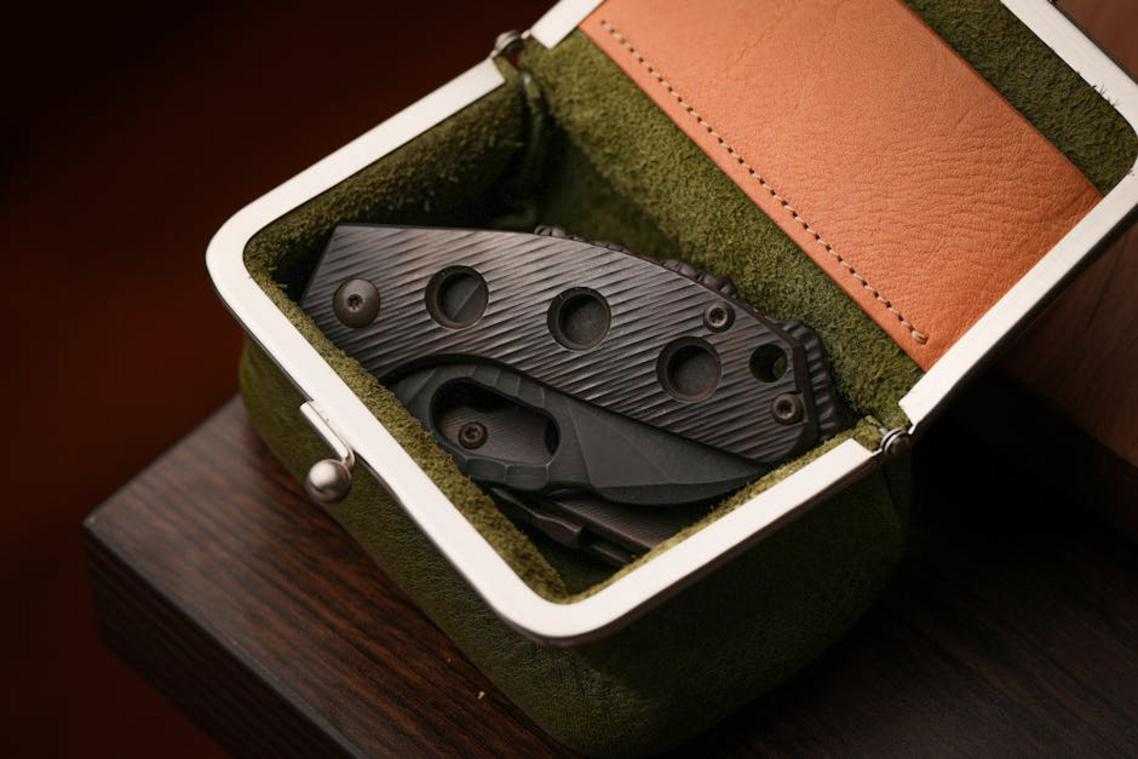
Rust is relentless. Especially on high-carbon steel. While stainless steel contains chromium that resists oxidation (rust caused by moisture reacting with iron), high-carbon steel trades that resistance for toughness and superior edge retention. I’ll take that trade any day—but only if you respect the maintenance. Leave a carbon blade wet overnight and you’ll see orange freckles by morning (ask me how I know).
Choosing and Applying the Right Oil
If you prep food, use food-safe mineral oil. It’s stable, affordable, and won’t go rancid. For hard-use field knives, I prefer dedicated protectants like Tuf-Glide or FrogLube. They bond to the metal and add corrosion resistance in humid or coastal environments. Some argue any household oil works fine. Technically, yes. Practically, many get sticky or attract grit over time.
Application is simple: add a few drops to a clean cloth and wipe the blade until a micro-thin film remains. Less is more. You want protection, not a greasy mess.
For folding knives, place a single drop in the pivot to maintain smooth deployment. This small step makes survival knife maintenance far easier long term.
And while you’re refining your kit, review these creative uses for paracord in emergency situations: https://jaroconca.com/creative-uses-for-paracord-in-emergency-situations/
The Complete System: Maintaining Your Handle and Sheath
First things first, check your handle regularly. Wood, micarta (a layered resin composite), and G10 (a fiberglass laminate) can all crack or chip over time. I’ve seen tiny hairline fractures turn into full splits after one cold-weather trip. If your screws loosen, tighten them immediately—movement weakens the tang and throws off control (and that’s the last surprise you want mid-task).
When it comes to handle care, I’m opinionated: wood deserves respect. A light coat of boiled linseed oil or mineral oil keeps it from drying and cracking. Synthetic handles? Just clean them with mild soap and water. Simple.
Now, sheath maintenance is not optional. A dirty sheath traps moisture and grit against the blade. For leather, brush debris, wipe with a damp cloth, then condition with wax or oil to prevent brittleness and repel water. Kydex needs rinsing and drying; nylon benefits from gentle washing and air-drying.
In my view, survival knife maintenance isn’t complete without caring for the entire system.
A Tool You Can Trust for a Lifetime
You set out to ensure your blade would never fail you when it matters most—and now you know exactly how to make that happen. A neglected knife isn’t just inconvenient; it’s a liability that can turn a manageable challenge into a serious emergency. That’s why survival knife maintenance isn’t optional—it’s essential.
Commit to Clean, Sharpen, Oil, and Inspect every time you prep your gear. Make it automatic. Make it non-negotiable.
Don’t wait for failure to teach you a lesson. Start your maintenance routine today and turn your knife into the dependable, lifelong tool it was meant to be.