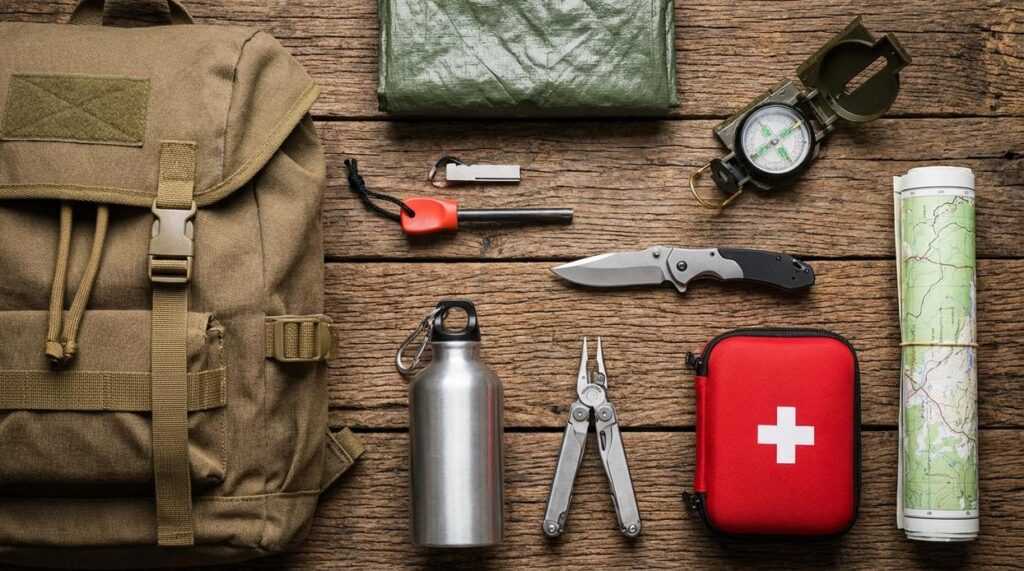
Planning a journey to an isolated paradise sounds thrilling—until you realize how many moving parts are involved. If you’re searching for clear, practical guidance on remote island adventure planning, you likely want more than dreamy photos and vague tips. You want to know how to choose the right island, prepare for limited resources, pack strategically, navigate safely, and handle the unexpected with confidence.
This guide is built to do exactly that. We break down essential logistics, from transportation and weather patterns to survival gear selection and risk management strategies tailored for off-grid environments. You’ll also find trekking insights, wilderness-tested preparation methods, and smart planning frameworks that help you avoid common (and costly) mistakes.
Our recommendations draw on field-tested exploration practices, real-world trekking experience, and established outdoor safety principles—so you’re not just inspired, you’re prepared. By the end, you’ll have a clear roadmap to turn your island expedition from a risky idea into a well-executed adventure.
Your Blueprint for the Ultimate Island Escape
As you embark on your island hopping adventures, don’t forget to set aside time to explore hidden gems like Lake Yiganlawi, a breathtaking destination that showcases why it’s famous among adventurers and nature lovers alike – for more details, check out our Why Is Lake Yiganlawi Famous.
Planning a remote island adventure sounds romantic, but clarity prevents chaos. Think of it as remote island adventure planning: define the dream, then engineer the details. Confused by permits, tides, or satellite phones? Here’s a simple framework.
First, choose a location by weighing access, weather patterns (long-term averages, not just this week’s forecast), and legal entry rules.
Second, map logistics: transport in and out, freshwater sources (natural springs vs. carried supply), and communication backups like a PLB (Personal Locator Beacon, a distress radio).
Finally, build a risk plan: redundant gear and exit triggers.
Phase 1: Choosing Your Uncharted Paradise
Before you picture yourself in a hammock like something out of Cast Away, define what “secluded” actually means. A tourist-light island still has ferry schedules and beach bars. A truly remote island may be uninhabited or home to a single fishing family. Be honest about your skills. If you’ve never filtered water or read tide tables, “middle-of-nowhere” might be a step too far (no shame in that).
For smart remote island adventure planning, start with tools most travelers ignore:
- Satellite imagery (Google Earth) to spot freshwater streams and tree cover
- Nautical charts to understand reefs and landing hazards
- Local fishing forums for real conditions, not curated photos
Travel blogs show sunsets. Fishermen mention shifting sandbars.
Next, vet survival basics. Look for elevated shelter sites above storm surge lines. Study tidal patterns; a calm beach at noon can vanish by dusk. Identify wildlife risks—nesting seabirds are noisy but harmless, while feral pigs can destroy supplies.
Some argue spontaneity makes adventure purer. But skipping research can mean dehydration, trespassing fines, or worse. Always confirm land ownership and required permits through local government databases.
Pro tip: If freshwater isn’t visibly flowing year-round, assume you’ll need to carry or desalinate your own supply.
Reaching a remote island is the first real test of your plan. In most cases, I recommend chartering a private boat with a licensed local captain who knows tides, reefs, and landing points. Sea kayaks work for short crossings, but only if you have open-water experience and favorable forecasts. For anything complex, hire expertise rather than gamble.
Always create redundancy. That means:
- A primary transport plan
- A backup captain or extraction contact
- A weather-triggered delay buffer built into your timeline
For departure, never rely on a single point of failure. If your boat engine dies or tides shift, you need options.
Next, calculate supplies with discipline. Bring enough food, water, and fuel for your full stay plus a mandatory three-day surplus. A good rule is one gallon of water per person per day, more in hot climates (dehydration sneaks up fast). Pro tip: pre-portion meals to control rationing.
Finally, document your itinerary in writing. Include launch point, coordinates, expected return, check-in times, and emergency contacts. Share it with someone reliable and set clear escalation steps if you miss a check-in. This is non-negotiable in remote island adventure planning. Preparation beats bravado every time. Plan thoroughly, execute decisively. Stay vigilant.
Phase 3: Essential Gear for Survival and Comfort
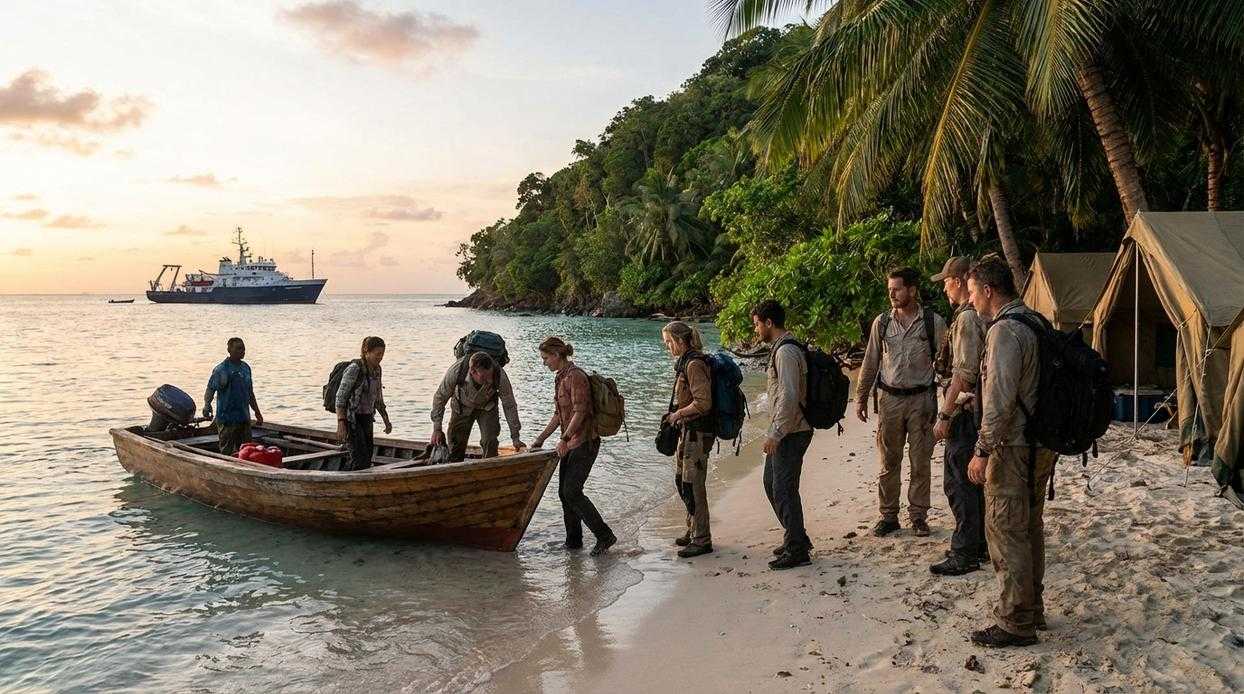
On a remote island, survival hinges on mastering the “Big Four”: Shelter, Water, Fire, and Signaling. Start with shelter. A tarp-and-hammock system often outperforms a tent in tropical climates because it elevates you above wet ground, insects, and flooding. According to U.S. Army field studies, ground moisture dramatically increases heat loss and infection risk in humid environments. A suspended system improves airflow and reduces fungal issues (your future self will thank you).
Water is non-negotiable. The CDC recommends filtration capable of removing bacteria and protozoa, plus chemical purification as backup for viruses. High-capacity gravity filters paired with chlorine dioxide tablets create redundancy—a core survival principle meaning you never rely on one method alone.
Fire requires multiple ignition sources stored in waterproof containers. Ferro rods work when wet; stormproof matches add reliability. Statistics from survival incident reports show that signaling devices—especially mirrors and personal locator beacons—significantly increase rescue rates compared to passive waiting. A whistle carries farther than a human shout (and doesn’t wreck your throat).
For tropical gear hacks, treat clothing with permethrin to reduce mosquito bites—shown in studies to lower tick and insect attachment rates by over 80%. Use dry bags for everything. And choose a machete or sturdy field knife over an axe; in dense vegetation, versatility beats brute force.
Your first-aid kit should address coral cuts, marine stings, sunburn, and infection. Saline irrigation, vinegar for certain stings, and broad-spectrum antibiotics (where legal) are critical.
Clothing? Skip cotton. Choose quick-drying synthetics or wool. Add UPF-rated long sleeves, a brimmed hat, and water-draining footwear. For contrast, see exploring arctic landscapes what you need to know before you go.
In remote island adventure planning, comfort isn’t luxury—it’s survival insurance.
Phase 4: Crafting Your Safety and Communication Plan
I learned this the hard way. On a solo coastal trek, my GPS froze just as fog rolled in (the kind that swallows sound). That moment reshaped how I plan.
Off-Grid Communication
Satellite messengers (like Garmin inReach) allow two-way texting and weather updates. A Personal Locator Beacon (PLB) is a one-button distress device that sends your coordinates to international rescue satellites (NOAA). Some argue satellite messengers are enough. I disagree. A PLB is the ultimate last resort—no subscriptions, no distractions, just a direct SOS when everything else fails.
Risk Assessment Matrix
A risk assessment matrix ranks threats by likelihood and impact. For remote island adventure planning, map out:
- Sudden squalls
- Medical emergencies
- Gear failure
- Wildlife encounters
(Pro tip: plan responses before departure, not during panic.)
Self-Rescue Skills
Practice map-and-compass navigation, basic knots like a bowline, and emergency shelter construction. Electronics fail. Skills don’t.
The Final Check: Launching Your Expedition
After all the lists, maps, and gear tests, this is where preparation turns into departure. remote island adventure planning can feel overwhelming at first; however, breaking it into phases transforms uncertainty into action. By tackling logistics, equipment, and safety step by step, you’ve reduced the most serious risks of isolation (think less Cast Away, more competent explorer).
So what’s next? First, confirm transport windows and weather patterns. Then, run a full gear shakedown. Finally, share your itinerary with a trusted contact.
Pro tip: rehearse emergency protocols before you leave.
Start with Phase 1 today and move forward confidently. Stay adaptable.
Your Next Step Toward the Island Experience You’ve Been Craving
You came here looking for clarity on remote island adventure planning—how to prepare, what to prioritize, and how to avoid costly mistakes in isolated terrain. Now you have the framework to choose the right season, pack smart survival gear, map exit strategies, and approach your expedition with confidence instead of uncertainty.
The truth is, most failed island treks happen because of poor preparation. Unreliable gear, weak route research, and underestimating environmental risks can quickly turn a dream escape into a stressful situation. You don’t want to gamble with safety when you’re miles from help.
Act on what you’ve learned. Build your checklist. Refine your route. Test your gear before departure. The more intentional your preparation, the more freedom you’ll have once you step onto the sand.
If you’re serious about executing a flawless island expedition, explore our expert trekking guides and survival gear breakdowns trusted by thousands of wilderness enthusiasts. We’re a top-rated resource for outdoor strategy and field-tested adventure insights.
Don’t leave your expedition to chance—dive into the guides, sharpen your plan, and start preparing today.