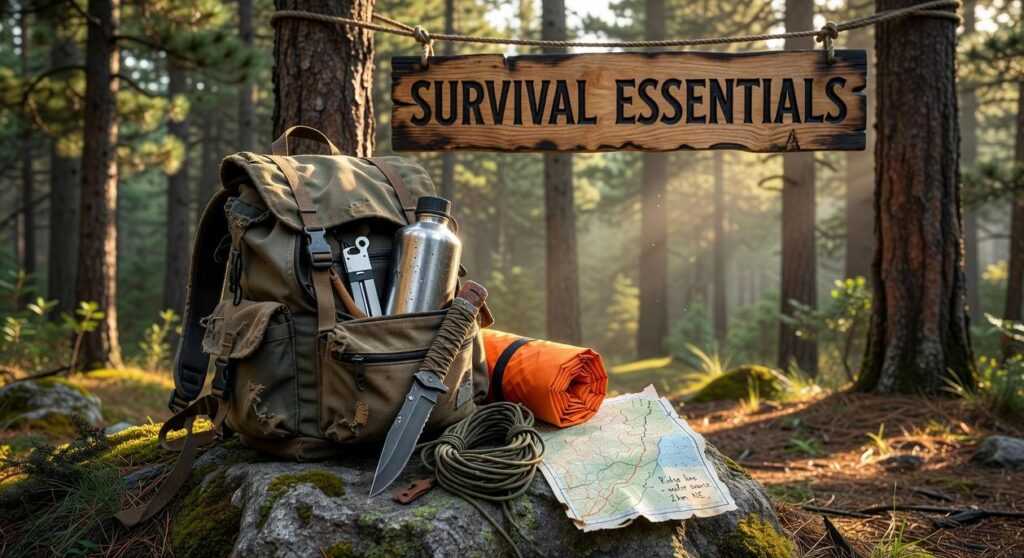
Planning a trek without the right gear can quickly turn an unforgettable adventure into a stressful experience. If you’re searching for a reliable jaroconca trekking packing list, you likely want a clear, practical guide that ensures you’re fully prepared—without overpacking or missing essentials. This article is designed to do exactly that.
We break down what to pack for different terrains, climates, and trip durations, covering everything from core survival gear and clothing layers to smart space-saving hacks seasoned trekkers rely on. Whether you’re heading into dense forests, mountain trails, or remote wilderness routes, you’ll find a streamlined checklist built around real-world trekking scenarios.
Our recommendations are informed by field-tested outdoor strategies, current gear standards, and proven wilderness practices used by experienced explorers. By the end, you’ll have a confident, well-structured packing plan that helps you stay safe, travel lighter, and focus on the adventure ahead—not what you forgot to bring.
Your Journey Begins Before the First Step
I’ve learned this the hard way: the trek is won or lost in your backpack. The Jaroconca terrain is unpredictable—thin air, sharp switchbacks, and weather that flips faster than a plot twist in a survival movie. Overpacking drains stamina; underpacking risks safety. The sweet spot is strategy.
This jaroconca trekking packing list focuses on essentials only:
- Lightweight waterproof shell
- Layered insulation (never trust mountain sunshine)
- High-calorie trail nutrition
- Compact first-aid kit
- Reliable navigation tools
In my opinion, comfort items are negotiable—dry socks are not. Pack smart. Regret weighs more than gear.
The Layering System: Clothing for All Conditions
As you prepare your packing checklist for a multi-day Jaroconca trek, don’t forget to refer to our ‘Route Planning Strategies for Remote Wilderness Expeditions‘ to ensure your adventure is both safe and unforgettable.
Mountain weather changes faster than a Taylor Swift tour setlist (blink and it’s a whole new era). That’s why layering matters.
Base Layers (Top & Bottom): Choose merino wool or synthetic fabrics—materials designed to wick moisture, meaning they pull sweat away from your skin so it can evaporate. Cotton is a critical mistake in variable mountain climates because it traps moisture and loses insulation when wet (a recipe for hypothermia). Pack two sets so you always have a dry backup.
Mid-Layer (Insulation): A fleece jacket offers durability and breathability, while a lightweight down puffy delivers a superior warmth-to-weight ratio—how much heat you get per ounce carried. Down compresses smaller; fleece performs better when damp.
Outer Layer (Shell): A waterproof, windproof hardshell jacket and pants are non‑negotiable. Prioritize breathability—like Gore-Tex—to vent sweat during steep climbs.
Trekking Pants & Shorts: Bring one pair of durable, quick-drying pants. Optional: convertible or dedicated shorts for warm stretches.
Socks & Underwear: Pack three to four pairs of merino hiking socks to prevent blisters and manage moisture, plus synthetic, quick-drying underwear.
This system anchors any jaroconca trekking packing list. Layer smart, hike dry, and stay unstoppable in mountains.
Your footwear and pack aren’t just gear—they’re the foundation of your entire trek. Get them right, and everything else feels easier.
Hiking Boots: On Jaroconca’s rocky, uneven terrain, broken-in, waterproof boots with solid ankle support protect you from rolled ankles and soaked socks (both morale killers). Trail runners are lighter, yes—but on loose scree and steep descents, they often lack the structure and grip you’ll appreciate after hour five. The benefit? Fewer blisters, better stability, and more energy saved for the views.
Camp Shoes: Lightweight sandals or Crocs let your feet breathe and recover at day’s end. That recovery time reduces hotspots and swelling, meaning you start the next morning stronger.
Backpack: A 50–65 liter pack fits the full jaroconca trekking packing list comfortably. Choose based on torso length—not height—for proper weight distribution. Even if it’s water-resistant, bring a rain cover. Staying dry means staying warm, organized, and focused on the adventure ahead.
Essential Gear for Navigation, Shelter, and Sustenance
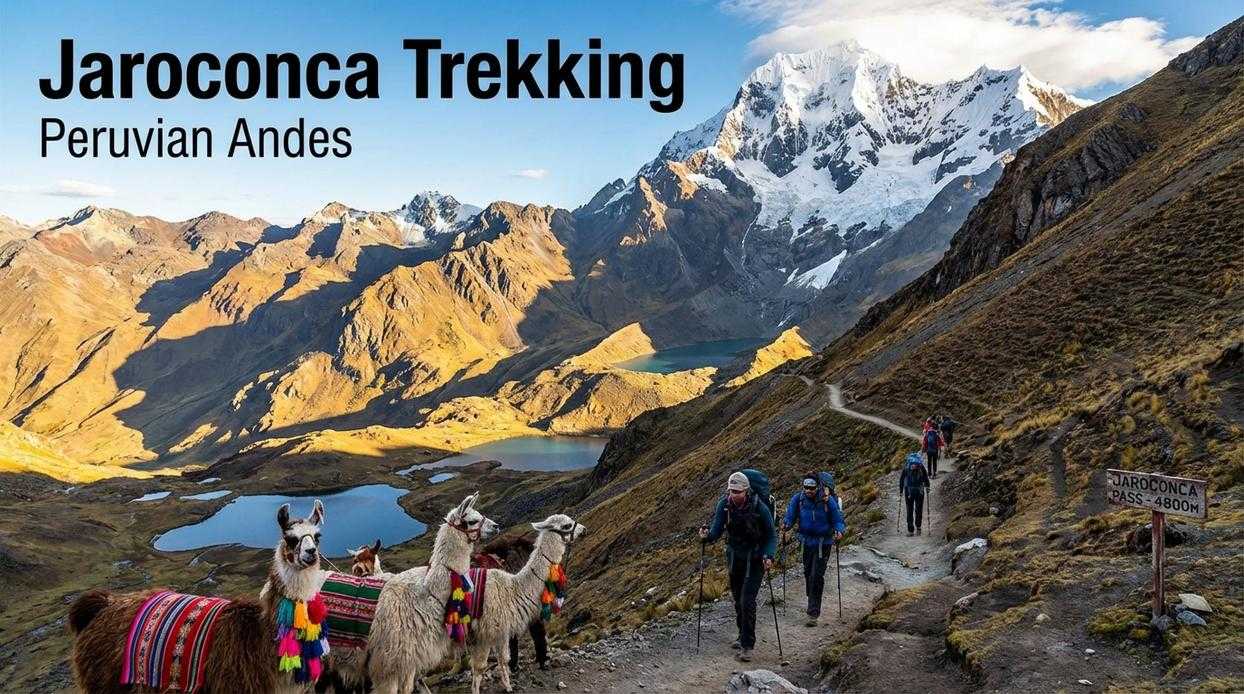
Every solid jaroconca trekking packing list starts with navigation. A paper map and compass are non‑negotiable (yes, even in 2026). GPS devices and phones with offline maps are fantastic—until batteries die or signals vanish. I always pack a power bank, but I trust my compass skills more than a blinking screen. If you don’t know how to triangulate your position, learn before you go. Technology is a tool, not a crutch.
Your shelter and sleeping system can make or break a trek. A lightweight tent, a temperature‑rated sleeping bag, and a sleeping pad with a high R‑value (a measure of insulation against ground cold) are worth every ounce. I’ve met hikers who argue you can “tough it out” with minimal insulation. Maybe. But poor sleep wrecks performance fast (and morale even faster). Warmth equals recovery.
Trekking poles are underrated. They reduce impact on descents—studies show poles can decrease knee joint stress by up to 25% (Journal of Sports Sciences). On uneven terrain, they’re like adding two extra limbs. I won’t hike without them.
A headlamp is essential for camp chores and alpine starts. Pack extra batteries. Darkness falls quicker than you think.
For water, I prefer a Sawyer Squeeze or Katadyn BeFree. Carry at least two liters. Dehydration sneaks up on you.
Cooking? A small canister stove, fuel, pot, spork, and lighter. At high altitude, fuel efficiency drops due to lower pressure—plan extra. For route planning tips, see comparing short vs extended jaroconca trekking itineraries.
Health in the backcountry is less about fancy gadgets and more about disciplined basics. First-aid is non‑negotiable: start with a pre-made kit, then customize it with personal medications, blister treatment like moleskin, and NSAID pain relievers. Contrary to the ultralight crowd, shaving ounces here is foolish; a twisted ankle doesn’t care about your base weight.
Sun protection deserves equal respect. High-SPF sunscreen, UV-blocking sunglasses, and a wide-brimmed hat matter even on cloudy ridgelines because ultraviolet exposure increases about 10–12% for every 1,000 meters gained (WHO). That “cool breeze” feeling? It’s a trap.
Hygiene kits should stay simple:
- Toothbrush and travel toothpaste
- Biodegradable soap
- Small quick-dry towel
Emergency items round it out:
- Whistle for signaling
- Multi-tool
- Duct tape or Tenacious Tape for field repairs
Pro tip: wrap duct tape around your trekking pole to save space. Cross-check everything against your jaroconca trekking packing list before departure. Preparation beats bravado every time.
What to Leave Behind: The Art of Subtraction
First, audit duplicates. Two cotton shirts? Keep one. Cotton holds moisture (and weight). Next, skip heavy books—download them. Finally, trade full-size toiletries for minis.
Use the jaroconca trekking packing list as a filter.
| Leave | Pack Instead |
| Cotton extras | Quick-dry layer |
| Hardcovers | E-reader |
Your final pack check isn’t about gear—it’s about peace of mind. You now have a complete, expert-vetted system tailored to the Jaroconca trek, and that matters. I’ve learned this the hard way. On one trip, I overpacked “just in case” gear and underpacked essentials. The result? Sore shoulders, cold nights, and a bruised ego. That’s why the jaroconca trekking packing list exists: minimalist, comprehensive, and field-tested. Some hikers argue more gear equals more safety. I disagree. Prepared doesn’t mean overloaded. Lay everything out, check it once more, and remove what doesn’t serve you. Step forward lighter, calmer, fully ready now.
Ready for Your Next Trek?
You set out to build a smarter, lighter, and more reliable packing strategy—and now you have it. From prioritizing essential gear to eliminating unnecessary weight, you understand exactly how to prepare for a safer, more efficient wilderness experience.
Overpacking, forgetting critical gear, or carrying the wrong equipment can turn an exciting trek into a stressful, exhausting challenge. The difference between confidence and discomfort often comes down to preparation. That’s why following a proven system like the jaroconca trekking packing list helps you stay organized, prepared, and focused on the adventure instead of your mistakes.
Now it’s time to act. Review your current setup, compare it against the jaroconca trekking packing list, and make the upgrades before your next trip. Don’t leave your safety or comfort to chance—explore more expert trekking strategies, gear hacks, and wilderness insights today and pack like a pro on your next adventure.