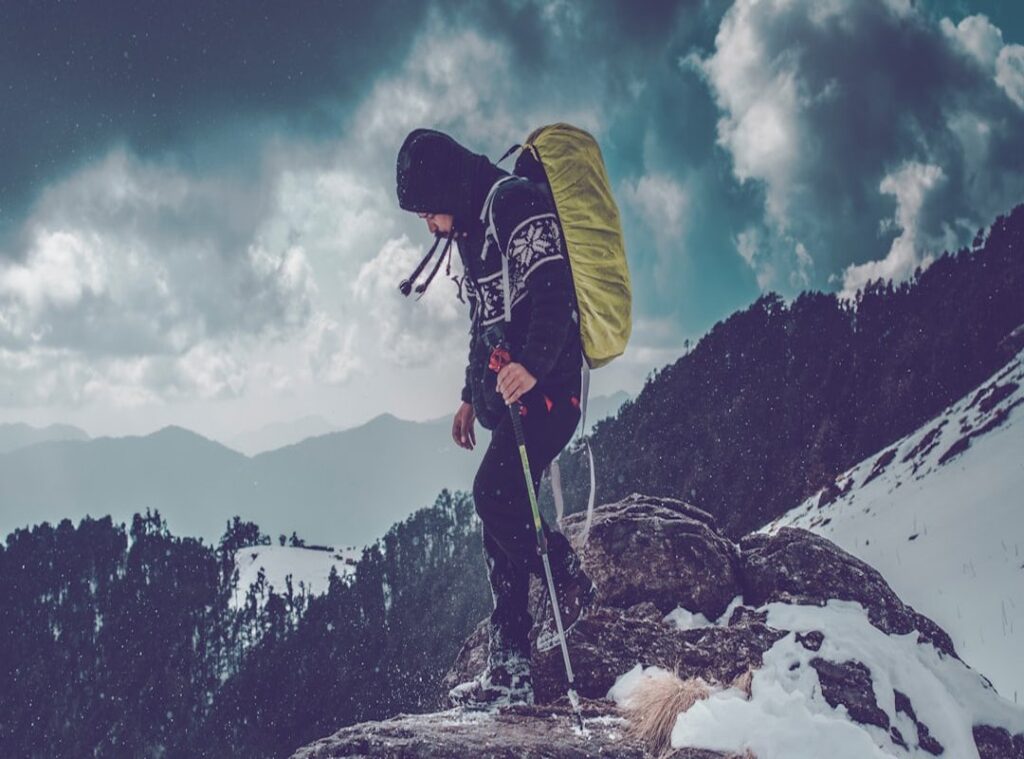
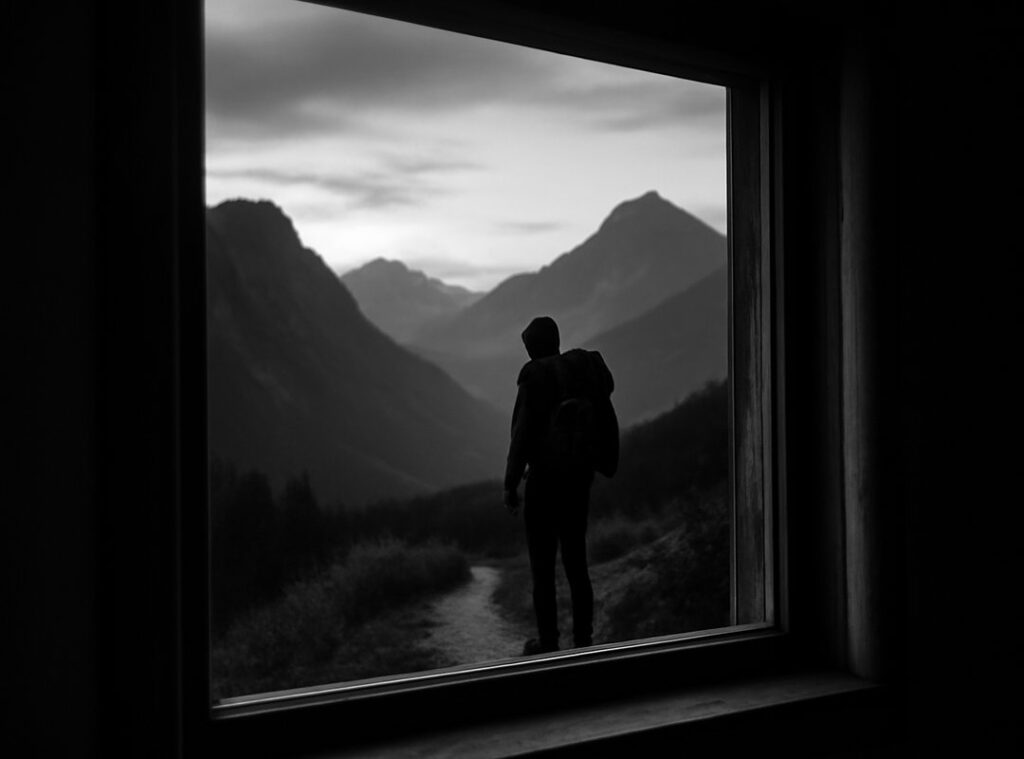
Ever reach a so-called “secluded” viewpoint only to find it packed? Yeah, me too. It feels like every trail guide sends us to the same overrun paths.
True solitude seems like a myth.
I get it. Most guides don’t dive into the blank spaces on the map. They play it safe, sticking to well-trodden routes.
But I believe in self-reliance, in finding those untouched spots.
This isn’t just about listing solo trekking destinations. It’s about learning the art of discovery. You want quiet?
A real challenge? A connection with the wild? You’re in the right place.
Trust me, I’ve been down those crowded trails, and I’m committed to showing you the way to your own private adventure. Stick around. You’ll learn strategies to uncover places others miss.
The Solo Trekker’s Guide: Independent-Friendly Trails
What makes a hike “independent-friendly”? It’s not just about going alone. It’s about self-sufficiency.
You know, being your own guide.
First off, let’s talk low foot traffic. The best solo trekking destinations aren’t swarming with people. Forget the visitor centers and paved parking lots.
If you want to blaze your own trail, you need places where signs are scarce and the path isn’t always clear.
Next, navigation is key. These trails demand more than just following a marked path. You need to be comfortable with a map and compass.
GPS can help too, but don’t rely on it alone. That signal won’t always be there when you need it most.
Now, let’s get real about remoteness. These hikes aren’t your city park strolls. You’re out there on your own.
If something goes wrong, you have to handle it. Self-rescue becomes part of the adventure.
But why bother with all this, you ask? Because these traits lead to a more rewarding outdoor experience. There’s something about relying on yourself that’s just… satisfying.
You get a deeper connection to nature and, let’s face it, bragging rights when you conquer that trail on your own.
For those ready to challenge themselves, check out important tips for winter trekking. It’s a good start if you’re looking to up your game.
So, are you ready to embrace the mindset of independent hiking? It’s not for everyone, but if you’re up for it, the rewards are immense.
Unlocking Hidden Trails: An Explorer’s Guide
Finding unmarked trails sounds romantic, but it’s a challenge. I learned the hard way (and got lost more than once). Let me show you how to avoid my mistakes.
First off, you need to master digital maps. Apps like Gaia GPS or CalTopo are great. Use layers and filters to find public land boundaries like BLM or National Forests.
These apps can reveal lesser-used trails and old service roads that digital maps often ignore. But don’t rely solely on them. Technology isn’t infallible.
My phone died on a trip, and I wished I’d had a backup.
Enter the power of paper. USGS quadrangle maps or National Forest maps are your friends. They show springs, old structures, and faint trails that digital maps miss.
I once discovered an abandoned cabin using one of these maps. Felt like Indiana Jones, minus the fedora.
Local knowledge is gold. Ever tried chatting up a ranger at a station far from the main park entrance? They know secrets you won’t find online.
Staff at local outdoor gear shops (not the big chains) can also point you to hidden gems. These folks are usually explorers themselves. Respect their takeaways.
Think beyond National Parks. They’re crowded, and who needs that? Look at National Forests, State Forests, and BLM lands.
They’re vast and less regulated, perfect for independent exploration. Want inspiration? Check out 5 epic solo hiking trips perfect.
And remember, solo trekking destinations offer a different kind of freedom. It’s the wild versus you. No guidebooks, no crowds.
Just you and the trail. Don’t just explore. Immerse, learn, and maybe, get a little lost.
That’s part of the adventure.
Five Wild Havens for the Self-Reliant Hiker
You want solo trekking destinations that test your mettle and reward your spirit. I’ve got you. Each place on this list offers a challenge, a unique appeal that calls to the independent hiker in you.
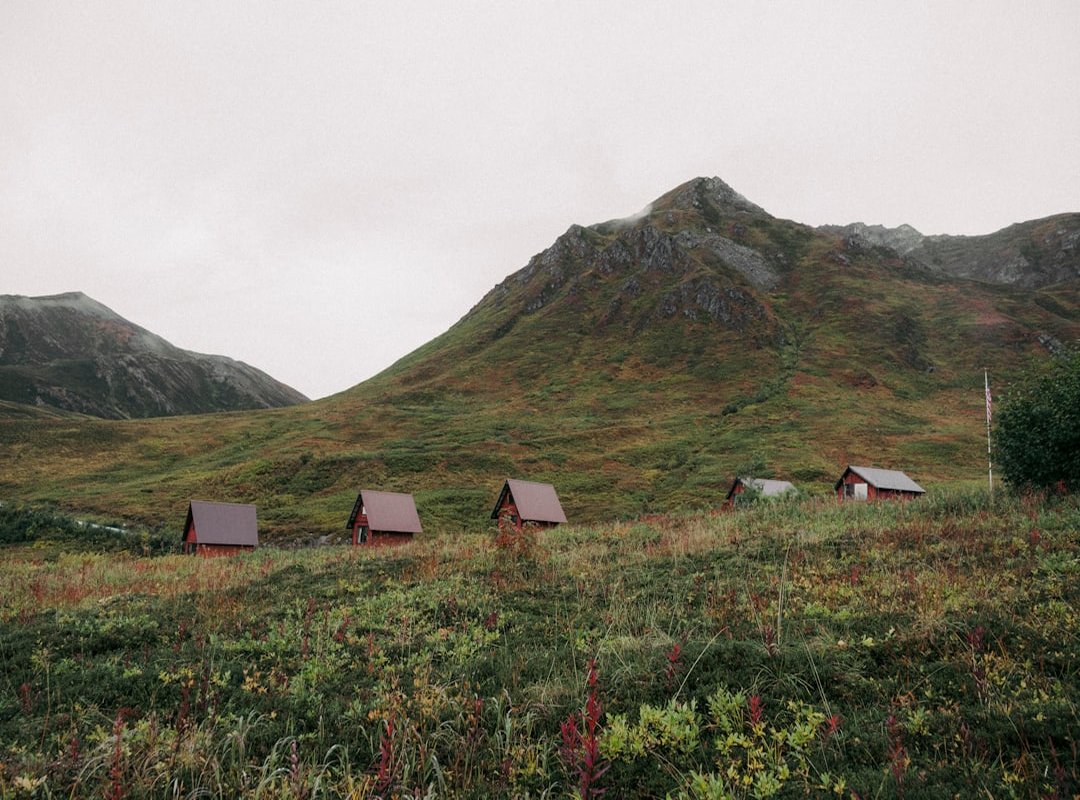
So lace up those boots, and First up, The Gila Wilderness in New Mexico. As the first designated wilderness area, it’s a pioneer’s dream. Vast, rugged terrain with a complex trail network makes it perfect for those who love to get through (and maybe get a little lost).
You’ll find solitude here like nowhere else.
Next, the Lost Coast in California. It’s not for the faint of heart. With tides and creek crossings, this place keeps you on your toes.
Want fewer crowds? The logistical hurdles act as a natural barrier, leaving you with a truly wild coastal experience.
Then there’s the Uinta Mountains in Utah. An alpine gem, it stands apart from Utah’s popular ‘Mighty 5.’ Off-trail potential and thousands of lakes make it an explorer’s paradise. If you’re tired of crowded trails, this is your escape.
The challenges here sharpen your navigational skills and promise solitude.
On to the Cohutta Wilderness straddling Georgia and Tennessee. It’s dense, full of forests and rivers waiting to be crossed. If you’re well-prepared, the payoff is immense.
Finally, North Cascades National Park in Washington. Known for its remote, wild beauty, this park isn’t easy to access. True gems require glacier travel or long, grueling backpacking trips.
The isolation is the reward, not the challenge.
If you’re just starting or want top 5 beginner friendly trekking routes, there are options for that too. But for those seeking raw adventure, these havens offer solitude, challenge, and the chance to truly rely on yourself. So, what’s stopping you?
Let’s hit the trail.
Wild Freedom: Prep Like Your Life Depends On It
Ever think about the freedom of solo trekking destinations? It’s exhilarating. But let’s get real: it comes with a price.
That price is rigorous prep.
So, here’s the ironclad trip plan you need. First, map out your route. Leave a copy with a trusted person.
Include start and end times, plus a ‘panic’ time (that’s when they start worrying if you don’t check in). Add a gear list and your vehicle info. Got it?
Good.
But wait, there’s more. It’s not just about gear. You’ve got to practice using it.
Go on, rehearse skills like navigation before you hit the trail. Don’t assume you know it until you’ve done it. Trust me, it’s worth it.
Now, onto gear. A personal locator beacon (PLB) is your lifeline. If things go sideways, it could save you.
Then there’s the first-aid kit. Know it inside out (it’s not just there to fill your pack). Last, a reliable water filter.
Your health depends on clean water. Without it, you’re toast out there.
So, next time you dream of those solo trekking destinations, remember: freedom isn’t free. Prepare like it’s serious business.
Blaze Your Own Trail
Searching for solitude in today’s crowded world is maddening, isn’t it? The secret isn’t a hidden list of solo trekking destinations. It’s the skill to find your own path.
You need confidence to step off the beaten trail and create adventures truly yours. the thrill is.
To those of you tired of following the herd, pick a region on the map. Use the tools we’ve outlined. It’s time to plan your first independent journey.
Want solitude? The answer isn’t elsewhere. It’s within your reach.
Ready to escape? Start now. Your adventure awaits.
 Albertinovaso Beavers has opinions about horizon headlines. Informed ones, backed by real experience — but opinions nonetheless, and they doesn't try to disguise them as neutral observation. They thinks a lot of what gets written about Horizon Headlines, Jaroconca Trekking Guides, Niche Explorations is either too cautious to be useful or too confident to be credible, and they's work tends to sit deliberately in the space between those two failure modes.
Reading Albertinovaso's pieces, you get the sense of someone who has thought about this stuff seriously and arrived at actual conclusions — not just collected a range of perspectives and declined to pick one. That can be uncomfortable when they lands on something you disagree with. It's also why the writing is worth engaging with. Albertinovaso isn't interested in telling people what they want to hear. They is interested in telling them what they actually thinks, with enough reasoning behind it that you can push back if you want to. That kind of intellectual honesty is rarer than it should be.
What Albertinovaso is best at is the moment when a familiar topic reveals something unexpected — when the conventional wisdom turns out to be slightly off, or when a small shift in framing changes everything. They finds those moments consistently, which is why they's work tends to generate real discussion rather than just passive agreement.
Albertinovaso Beavers has opinions about horizon headlines. Informed ones, backed by real experience — but opinions nonetheless, and they doesn't try to disguise them as neutral observation. They thinks a lot of what gets written about Horizon Headlines, Jaroconca Trekking Guides, Niche Explorations is either too cautious to be useful or too confident to be credible, and they's work tends to sit deliberately in the space between those two failure modes.
Reading Albertinovaso's pieces, you get the sense of someone who has thought about this stuff seriously and arrived at actual conclusions — not just collected a range of perspectives and declined to pick one. That can be uncomfortable when they lands on something you disagree with. It's also why the writing is worth engaging with. Albertinovaso isn't interested in telling people what they want to hear. They is interested in telling them what they actually thinks, with enough reasoning behind it that you can push back if you want to. That kind of intellectual honesty is rarer than it should be.
What Albertinovaso is best at is the moment when a familiar topic reveals something unexpected — when the conventional wisdom turns out to be slightly off, or when a small shift in framing changes everything. They finds those moments consistently, which is why they's work tends to generate real discussion rather than just passive agreement.