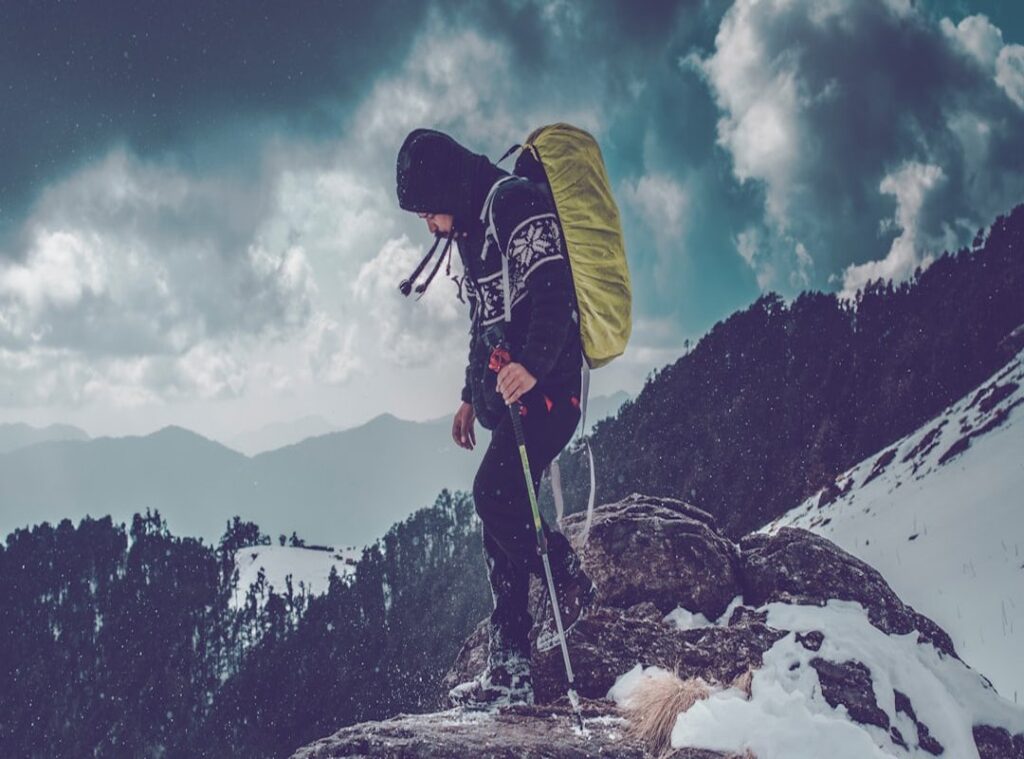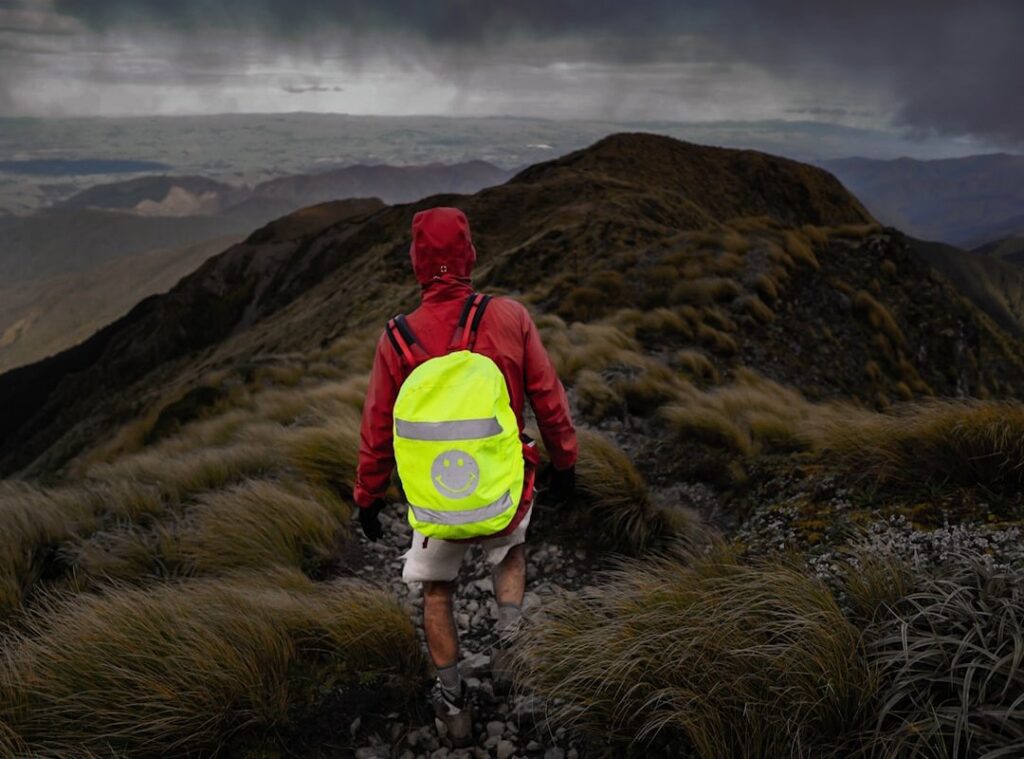

Standing at the trailhead, heart pounding with that mix of excitement and uncertainty, you’ve been there, right? The wild calls, but which path is yours? Fear not.
This is your guide to beginner trekking routes. Choosing a trail doesn’t have to be a shot in the dark. Maybe you’re worried about biting off more than you can chew.
I get it. But it’s easier than you think to find a trail that matches your pace.
Here’s the promise: a simple, no-nonsense roadmap. We’ll cover everything from how to pick the right path to packing what’s truly necessary. Your safety?
It’s top of mind here. With countless miles logged, the advice here comes from the heartbeat of the trail. Trust me.
You’re about to get exactly what you need to take those first steps confidently.
Decoding the Trail: What Makes a Hike ‘Introductory’?
Let’s be real: “easy” is a moving target, especially when it comes to hiking. What I find easy might twist your ankle. But there are some objective factors that make a trail beginner-friendly.
Distance & Time
Start small, they say. An ideal first hike is about 1-3 miles or 1-2 hours. Why?
Shorter hikes build confidence. You’re not overcommitting (and let’s face it, who wants to get stuck in the woods?). This way, you can enjoy the scenery without worrying about stamina.
Elevation Gain
Ever heard of elevation gain? It’s the total feet you’ll climb. For beginners, trails with under 500 feet of gain are perfect.
This keeps the hike manageable, minimizing the struggle. You’re not scaling Everest here, just enjoying a stroll in nature.
Trail Surface & Terrain
The ground beneath your feet matters. Well-maintained dirt paths and gravel are your best friends here. They’re stable and predictable (unlike those rocky, rooted nightmares).
If you’re new to hiking, avoid steep or uneven surfaces that could trip you up.
Navigation
Getting lost is a mood killer. That’s why well-marked trails are key. Clear signage or loop trails reduce mental stress.
You can focus on the beauty around you instead of constantly checking a map. Trust me, this makes the whole experience more enjoyable.
If you’re looking for more adventurous routes, check out these best solo trekking destinations worldwide. They offer a bit more challenge once you’re ready to graduate from beginner trekking routes.
So what makes a hike introductory? It’s all about reducing barriers. Keep it simple, manageable, and fun.
If your first hike is a positive experience, you’re more likely to come back for more. And that’s what it’s all about, right? Enjoying the great outdoors without a hitch.
Gearing Up: The Only 5 Essentials You Actually Need
People often think trekking requires tons of gear. Spoiler alert: you don’t need half of it. Here’s a budget-friendly guide to get you started on those beginner trekking routes.
First up: Proper Footwear. Hiking boots? Overrated for beginners.
A solid pair of sneakers with good grip will do. Look for something comfortable. You don’t want to end your trek with blisters, trust me.
Then there’s water. Hydration is non-negotiable, unlike those fancy gadgets. A simple rule: half a liter per hour of hiking.
It’s surprising how quickly you dehydrate, even when it’s cool out.
Pack a simple snack. You’ll need energy on the trail, and there’s nothing better than a granola bar or some trail mix. Fruit works too.
It’s not about gourmet meals (save that for base camp).
Don’t forget a Navigation Tool. No need for a compass and map like you’re in a survival show. A fully charged phone with a downloaded map (AllTrails or Google Maps) is perfect.
It’s all about practicality.
Finally, a light layer. Weather’s unpredictable. A rain jacket or fleece is a lifesaver when the sun takes an unexpected break.
You’ll thank me when it pours unexpectedly.
Focus on essentials, not the “nice-to-haves”. New gear can wait. Get out there and enjoy the trek!
The trails are waiting, and they’re not as complicated as some might have you believe.
Finding Your Path: Discover Beginner Trails Near You
Looking for beginner trekking routes around your area can feel overwhelming. But it doesn’t have to be. Use trail apps like AllTrails or Gaia GPS.

They’re lifesavers. You can filter by ‘difficulty’ and select ‘Easy’ to find trails that won’t have you gasping for air. It’s smart to check recent reviews too.
Trail conditions change fast, and you don’t want to be caught off guard. Ever tried hiking through mud? Not fun.
Next, dive into official park websites. State parks, national forests, and local conservation areas often list trails with difficulty ratings. This is gold for beginners.
These maps aren’t just random squiggles on a page. They’re your guide to a safe, enjoyable trek.
Don’t underestimate the power of community. Talk to locals. Visit outdoor gear stores and ask the staff.
They know the area like the back of their hand. Joining a local hiking Facebook group can also lead to hidden gems.
And hey, if you’re thinking about expanding your trekking adventures, consider Preparing For High Altitude Treks. It’s a game-changer.
Pro tip: Always carry plenty of water. You’d be surprised how quickly dehydration can sneak up on you. Especially when you’re too busy admiring the view to notice you’re parched.
So, are you ready to hit the trails? You don’t need to be an expert to enjoy nature. These resources can set you on the right path.
Get out there and explore!
Trail Etiquette & Safety: Unspoken Wilderness Rules
When you’re new to hiking, there’s a secret code of conduct you probably haven’t heard of yet. Let’s crack it open. Why?
Because nobody wants to be that person on the trail. First up, Leave No Trace. It’s simple: pack out what you pack in.
That means everything, even that tiny apple core you think is harmless. I mean, do you really want to contribute to a compost pile in the wild?
Then there’s the idea of Right of Way. Uphill hikers get the pass. Why, you ask?
Because climbing is hard. They’re using every bit of energy to keep moving (and aren’t we all just rooting for them?). Give way to bikers and horses too.
Trust me, it’s easier than standing your ground with a spooked horse.
Now, let’s talk Basic Safety. Does your mom know where you are? She should.
Always tell someone your plan: where you’re going and when you’ll be back. It’s not just mom who cares. Your friends do too.
Stay aware out there. Listen to those gut feelings. If something feels off, it probably is.
Okay, beginner trekking routes sound fun and all, but remember: being smart is the key to having a blast and staying safe. It’s like learning the steps to a dance before you show off on the floor. And hey, while you’re at it, pack a map.
Your phone might just die in the middle of nowhere. Because tech is great, but nature doesn’t care. Now go enjoy those trails and keep it smart!
Step Into the Wild
Feeling overwhelmed by the thought of trekking? You’re not alone. We tackled that uncertainty head-on.
Remember the main pain point: starting. It’s simpler than it seems. Understand what makes trails easy, grab essentials, and follow basic rules.
Now, the solution is right here. Beginner trekking routes are waiting for you to explore. This guide isn’t just for reading. It’s your ticket to adventure.
Head out and find a trail this weekend. Take that empowering step into the wild. Need proof?
Others have done it and loved it. So, why wait? Start your journey and embrace the adventure.
 Albertinovaso Beavers has opinions about horizon headlines. Informed ones, backed by real experience — but opinions nonetheless, and they doesn't try to disguise them as neutral observation. They thinks a lot of what gets written about Horizon Headlines, Jaroconca Trekking Guides, Niche Explorations is either too cautious to be useful or too confident to be credible, and they's work tends to sit deliberately in the space between those two failure modes.
Reading Albertinovaso's pieces, you get the sense of someone who has thought about this stuff seriously and arrived at actual conclusions — not just collected a range of perspectives and declined to pick one. That can be uncomfortable when they lands on something you disagree with. It's also why the writing is worth engaging with. Albertinovaso isn't interested in telling people what they want to hear. They is interested in telling them what they actually thinks, with enough reasoning behind it that you can push back if you want to. That kind of intellectual honesty is rarer than it should be.
What Albertinovaso is best at is the moment when a familiar topic reveals something unexpected — when the conventional wisdom turns out to be slightly off, or when a small shift in framing changes everything. They finds those moments consistently, which is why they's work tends to generate real discussion rather than just passive agreement.
Albertinovaso Beavers has opinions about horizon headlines. Informed ones, backed by real experience — but opinions nonetheless, and they doesn't try to disguise them as neutral observation. They thinks a lot of what gets written about Horizon Headlines, Jaroconca Trekking Guides, Niche Explorations is either too cautious to be useful or too confident to be credible, and they's work tends to sit deliberately in the space between those two failure modes.
Reading Albertinovaso's pieces, you get the sense of someone who has thought about this stuff seriously and arrived at actual conclusions — not just collected a range of perspectives and declined to pick one. That can be uncomfortable when they lands on something you disagree with. It's also why the writing is worth engaging with. Albertinovaso isn't interested in telling people what they want to hear. They is interested in telling them what they actually thinks, with enough reasoning behind it that you can push back if you want to. That kind of intellectual honesty is rarer than it should be.
What Albertinovaso is best at is the moment when a familiar topic reveals something unexpected — when the conventional wisdom turns out to be slightly off, or when a small shift in framing changes everything. They finds those moments consistently, which is why they's work tends to generate real discussion rather than just passive agreement.